








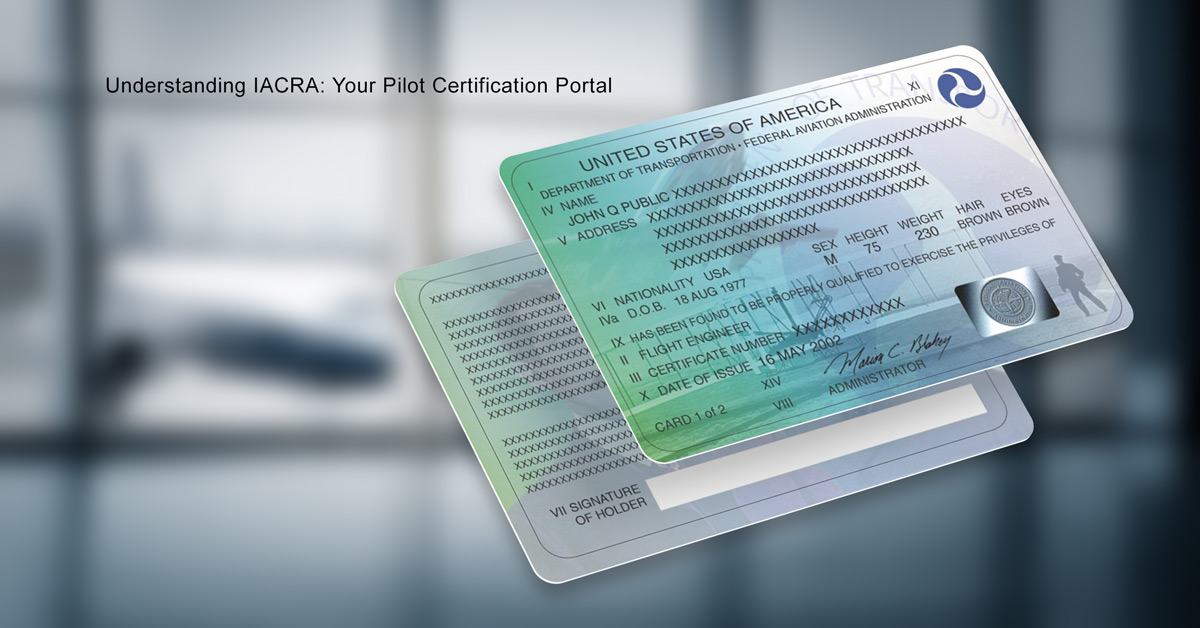
Every pilot’s journey through the Federal Aviation Administration’s certification system begins with IACRA (Integrated Airman Certification and Rating Application). This web-based portal serves as the primary interface between pilots, instructors, examiners, and the FAA for processing all airman certificate applications. Whether you are applying for your first student pilot

Quick Tips: Checkride Success at a Glance Before the Checkride: Study early, avoid last-minute cramming Get at least 8 hours of sleep the night before Eat a balanced breakfast and stay hydrated Arrive 30 minutes early Arrive a minimum of one hour before your checkride During the Oral Exam:

The moment the Federal Aviation Administration (FAA) issues your ATP certificate, you’re recognized as an elite aviator. This license is your ticket to the big leagues; it allows you to sit in the left seat, operate commercial airliners, and ultimately become a Captain under Federal Aviation Regulations (Part 121).

The airline industry operates on a tiered system where regional and major airlines serve distinct roles. For aspiring pilots, understanding these differences is crucial for making informed career decisions and setting realistic expectations about compensation, lifestyle, and professional growth. Each type of airline offers unique advantages and challenges that

Identifying airport types is essential for successful cross-country flight planning. It helps both student pilots and experienced aviators select airports that suit their missions. The U.S. aviation system operates 19,400 airports, each offering distinct functions and service levels. Choosing the right airport type saves time, resources, and enhances the

by Mason Ross At airports without an operating control tower, the Common Traffic Advisory Frequency, or CTAF, is a frequency designed for the purpose of carrying out airport advisory practices while operating to or from an airport without an operating control tower. Put simply, this is the radio frequency

The demand for qualified flight instructors has never been higher, with training schools nationwide competing for talented CFIs who can shape the next generation of pilots. As the aviation industry grows and the pilot shortage continues, schools are seeking instructors who combine technical expertise with exceptional teaching skills. Understanding

Choosing the right aviation headset is one of the most important equipment decisions for any pilot. Whether you’re a student on your first solo flight or a seasoned aviator logging thousands of hours annually, your headset affects comfort, communication quality, and overall flight safety. With so many options available,
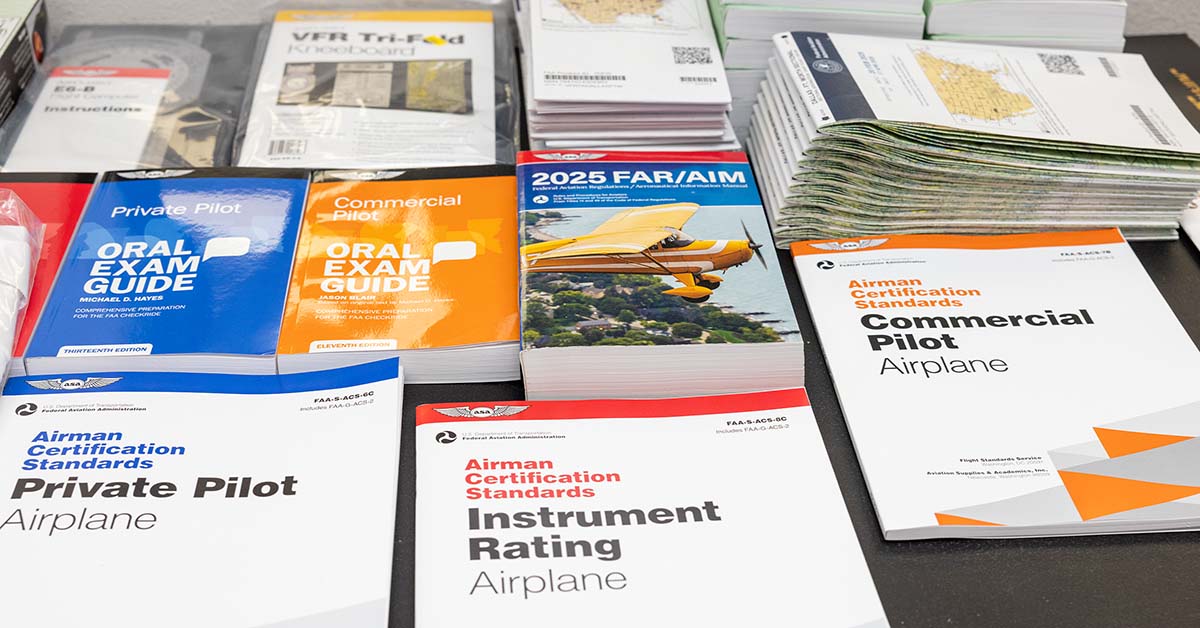
By Mike Bliss We are all familiar with the fact that the FAA issues pilot certificates and Instrument Ratings. What might be less known to those working their way through the different levels of certification is the Type Rating. We know that a Private, Commercial, or ATP pilot certificate