American Flyers

  • Now Hiring

Multi-Engine

MULTI-ENGINE RATING ADD-ONS

  • Private Multi-Engine
  • Commercial Multi-Engine
  • Multi-Engine Instructor
Multi-Engine_Flight_Training

MULTI-ENGINE TRAINING & AIRCRAFT

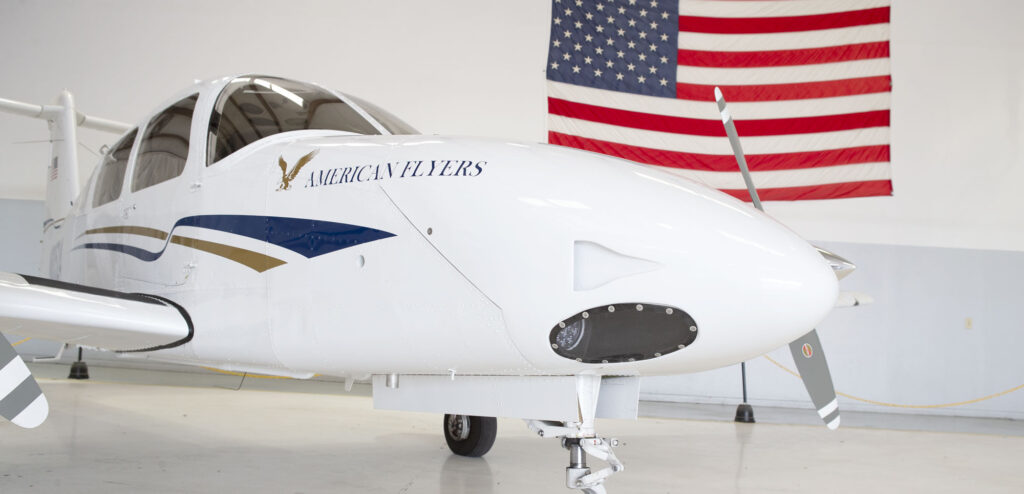
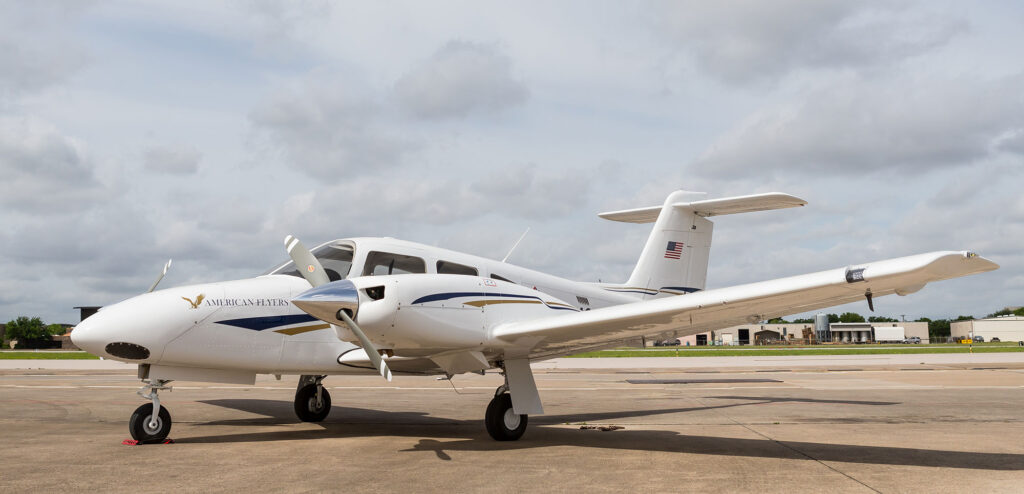
PIPER PA-44 Seminole

The Piper PA-44 Seminole aircraft used by American Flyers, is the most widely used multi-engine training aircraft in the industry today. With a maximum cruising speed of 186 knots, the PA-44 is an excellent and versatile training aircraft. All Piper PA-44 Seminole multi-engine training is offered at the American Flyers’ facility in Dallas, TX and Pompano Beach, FL.

Multiengine_Piper_PA-44_Seminole
American Flyers offers an FAA approved FAR 141 multi-engine program that assures the highest quality training possible.

VA Benefits     Financing

Frequently Asked Questions (FAQS)

A Multi-Engine Rating is an essential requirement for almost all commercial aviation careers. According to American Flyers, this rating transitions a pilot from single-engine aircraft to more complex, faster, and higher-performance machines. It is not just about having a second engine but about mastering the increased workload, advanced systems, and the specific aerodynamics required to safely manage an aircraft during an engine failure.


The FAA does not mandate a specific number of flight hours for the Multi-Engine Rating; instead, it is proficiency-based. However, an applicant must hold at least a Private Pilot Certificate and receive an endorsement from an authorized instructor. American Flyers structures its program to ensure pilots meet the Airman Certification Standards (ACS), focusing on maneuvers, systems, and emergency procedures specific to multi-engine operations.

Safety and procedural discipline are the core of the multi-engine curriculum. American Flyers emphasizes VMC (Minimum Control Speed) and Critical Engine concepts. Students are trained to recognize the symptoms of an engine failure and execute immediate bold face recovery procedures. By practicing these scenarios in a controlled environment, pilots build the muscle memory necessary to maintain directional control and climb performance when one engine is inoperative.

Yes. As noted by American Flyers, the rating can be added to either a Private Pilot or Commercial Pilot Certificate. Most career-track students choose to add it to their Commercial Certificate to meet airline hiring requirements. If added at the Commercial level, the pilot must demonstrate maneuvers to a higher degree of precision and satisfy the specific commercial aeronautical experience requirements outlined in FAR Part 61.

American Flyers specializes in accelerated, high-quality training. Their multi-engine program is often completed as a Finish-Up or Add-on course that can take as little as four to five days of intensive training. This includes dedicated ground school sessions covering multi-engine aerodynamics and systems, followed by flight blocks focused on mastering the aircraft’s performance envelopes and emergency checklists.

The MEI certificate allows a Flight Instructor to teach students in multi-engine aircraft. American Flyers integrates multi-engine instructor training into its advanced academies because it is a highly sought-after qualification. Holding an MEI not only makes an instructor more versatile and employable but also allows them to build the valuable multi-engine Pilot-in-Command (PIC) time required by major and regional airlines.