

Instrument Rating Course
Having pioneered the use of simulator training
our students have a unique advantage
American Flyers can prepare you to complete your instrument rating at a pace that fits your schedule through a regular or accelerated course. Our standardized set of procedures and techniques helps you complete your IFR training efficiently.
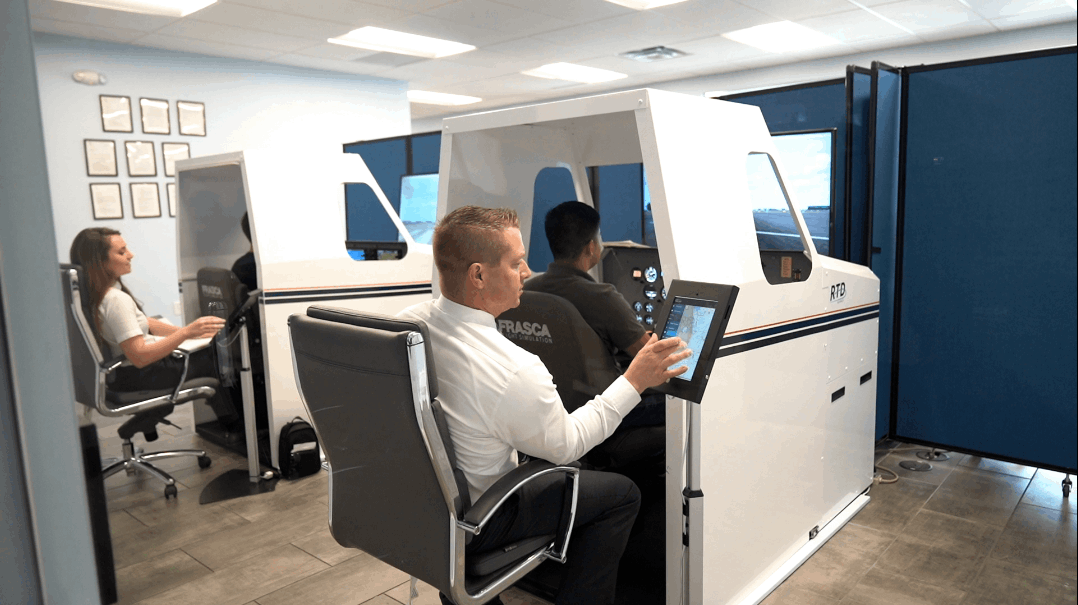
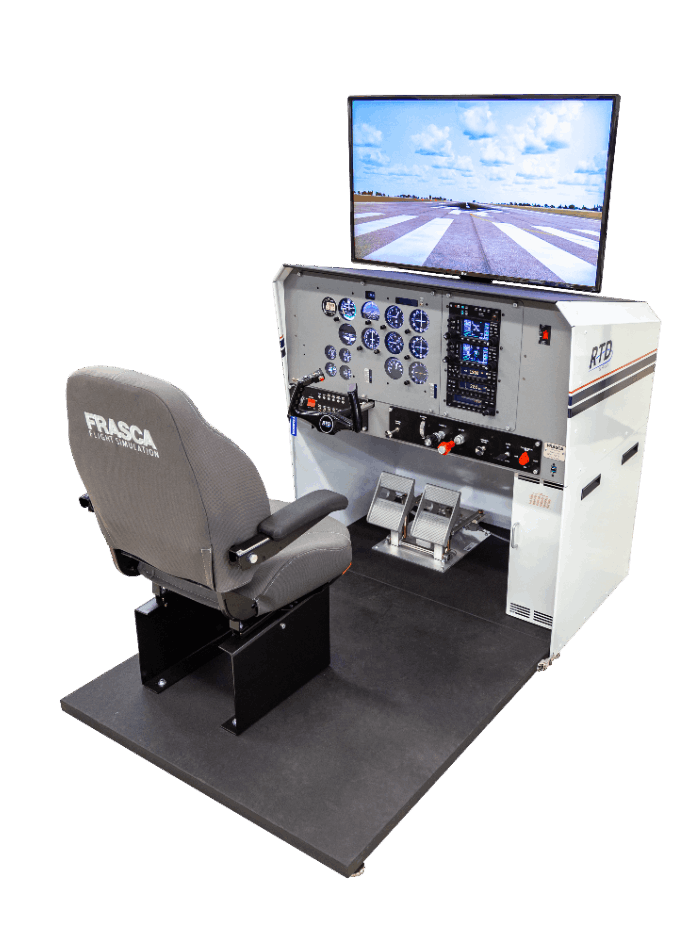
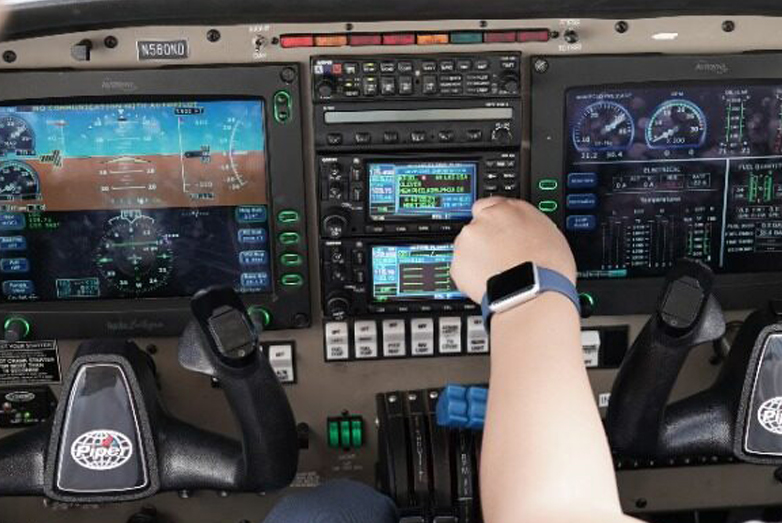
State of the art Frasca Simulators
Train with the best
- Standard and accelerated course options available
- We pioneered the use of simulator training for military, airline & civilian pilots.
- We have taught IFR for over 85 years.
- Our instructors are standardized in teaching which makes it simple.
- On-site simulators are available for you to practice in at no additional charge.
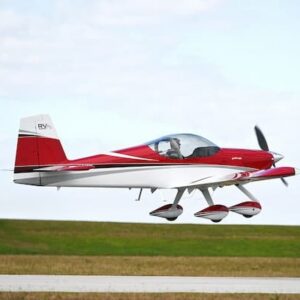
- Train in our aircraft or yours.
- Approximately 80% or our private graduates return for their IFR.

American Flyers believes flying is for everyone and has trained more pilots than any other flight school in the world. Start Flying Today!
GET YOUR INSTRUMENT RATING & FLY MORE

Learn to Fly
Train With us
Frequently Asked Questions (FAQS)
Training combines structured ground school, flight simulator sessions, and actual flight time to build proficiency in operating solely by reference to instruments. Students learn instrument flight rules, weather interpretation, navigation systems, and emergency procedures. The program uses a dual-track approach combining simulator practice for procedural muscle memory with aircraft flight time to master instrument approaches and real-world air traffic control procedures.
FAA-approved Advanced Aviation Training Devices (AATDs) allow students to practice instrument procedures, holding patterns, and approach profiles in a controlled environment. Simulators enable instructors to pause flights, explain concepts, and simulate complex weather scenarios or system failures that cannot be safely practiced in the air. Time spent in AATDs counts toward official FAA rating requirements while reducing overall flight hours and program costs.
American Flyers offers flexible training formats tailored to individual schedules and learning preferences. Options include a full-time accelerated course designed to finish training in a brief, continuous block, as well as a flexible 1-on-1 schedule for part-time students. The school also provides a specialized Finish-Up program for pilots who started instrument training elsewhere and need to complete their remaining requirements and pass the practical test.
Candidates must hold at least a Private Pilot Certificate and a current FAA medical certificate before beginning training. While students can begin accumulating instrument flight time during ground school and simulator phases, the FAA requires a minimum of 50 hours of cross-country flight time as pilot-in-command before completing the practical checkride.
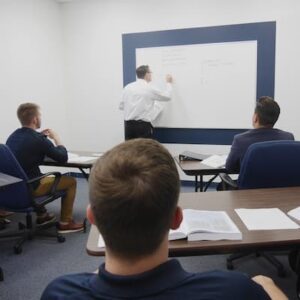
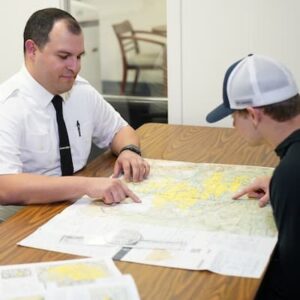
Ground school instruction covers instrument flight theory, Federal Aviation Regulations, airspace rules, and weather hazards. Students utilize proprietary training manuals, interactive study materials, and practice exams to master the material. Computerized testing centers located on-site allow students to take their official FAA Instrument Rating written knowledge test as soon as they complete ground preparation.
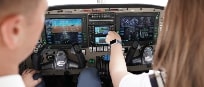
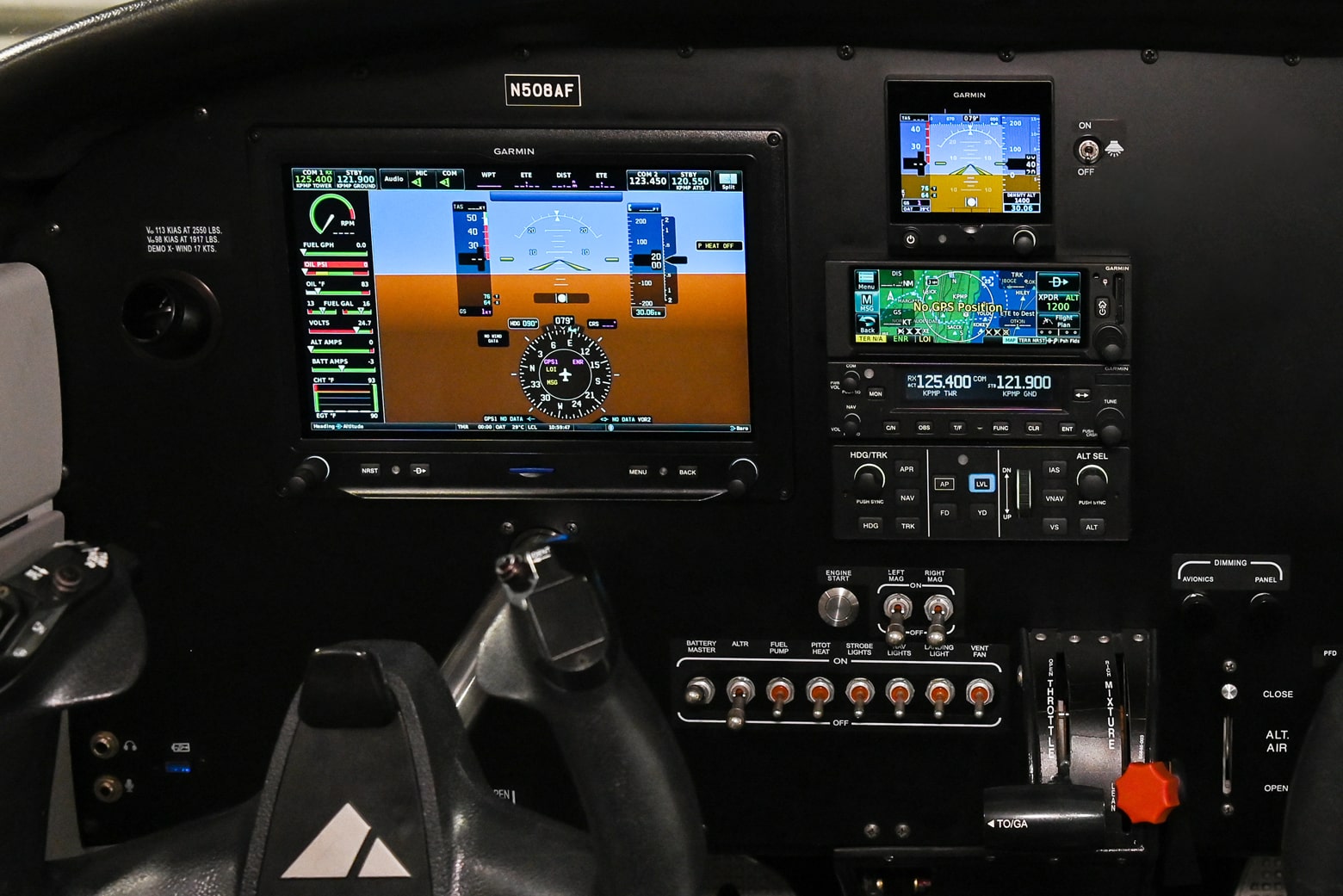
Flight training utilizes both traditional six-pack round dial configurations and modern glass cockpit suites like the Garmin G1000. Starting with traditional instruments builds strong visual scanning habits and basic instrument interpretation skills. Reconfiguring or transitioning to electronic flight displays prepares pilots to manage advanced moving maps, primary flight displays, and multi-function displays used in modern aircraft.