








For a lot of people, learning to fly begins as a quiet idea. Maybe it has been in the back of your mind for years. Maybe it is something you have only recently started taking seriously. For some it’s been a life long dream you haven’t acted upon. Either way, there comes a point when curiosity turns into a real question: where do you begin?
For most future pilots, the answer is an introductory flight.
That is the moment when the dream of flying stops being just a thought. You step into the cockpit, settle into the pilot’s seat, and get your first real feel for what this world of aviation is like. The sounds, the instruments, the checklist, the runway, the lift off the ground. It all becomes tangible very quickly.
At American Flyers, an intro flight is meant to give you an honest feel for the experience. You are there to participate, learn, and get a sense of what flight training is actually like.
What an Intro Flight Really Is
An introductory flight is your first hands-on experience in an aircraft with a Certified Flight Instructor. It is a chance to see how flight training begins and what it feels like to be part of the process from the start.
You do not need any prior experience. Your instructor will guide you through everything. The goal is simple: help you understand what learning to fly involves and give you a clear picture of what comes next in your journey to become a pilot.
What Happens Before You Fly
Like most things in aviation, it starts on the ground.
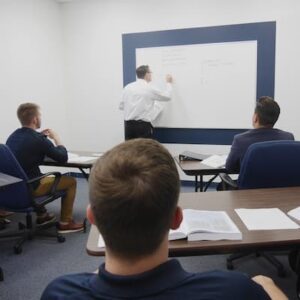
Your instructor will walk you through the basics before you ever get into the airplane. You will talk about the aircraft, the main controls, and what the flight will look like. This helps take some of the mystery out of the experience and gives you a little context before things start moving.
This introductory experience is structured to include 30 minutes of ground instruction, 30 minutes of dual simulator time, and an hour flight. The flight simulator session is a critical step, giving you hands-on practice with the main controls and fundamental maneuvers alongside your instructor before the actual flight.
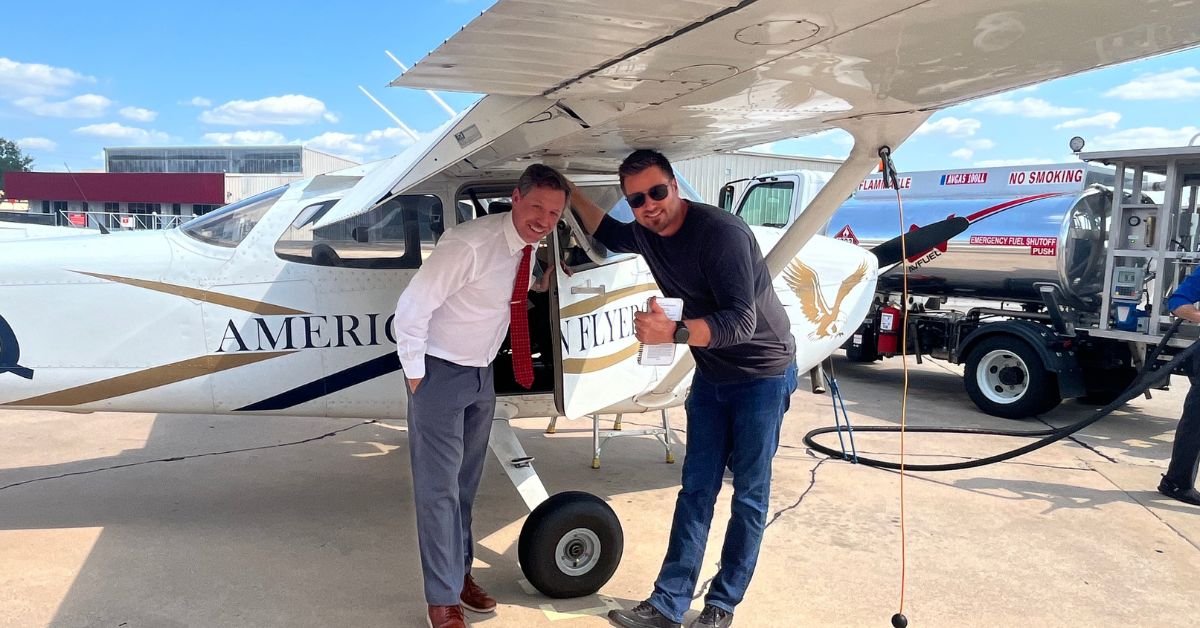
You will also take part in a preflight inspection. Pilots do this before every flight. It is a careful walk-around of the airplane to check that everything is in proper condition. For many people, this is the first glimpse into how detail-oriented aviation really is. Flying has a rhythm to it, and that rhythm starts well before takeoff.
What It Feels Like the First Time
The first time you sit in the pilot’s seat, you notice a lot more than you expected. The instruments are right in front of you. The radio comes alive. The airport suddenly feels active in a whole new way.
Taxiing out is usually when it starts to feel real. You hear the radio calls, watch the runway come into view, and realize that in a few minutes, you are going flying.
Then comes takeoff.
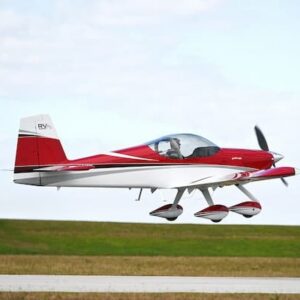
For most people, that is the moment that sticks. The airplane accelerates, the ground starts to fall away, and just like that, you are airborne. People often expect it to feel chaotic or intimidating. Most are surprised by how smooth, controlled, and orderly it feels.
Once you are in the air, your instructor may let you follow through on the controls or take light control of the airplane. That is when things start to click. You feel how the airplane responds. You see how small, steady inputs affect direction, altitude, and attitude. The basics begin to make sense in a very practical way.
What You Learn During the Flight
Even a short introductory flight can teach you a lot.
You begin to understand how an airplane is flown and how a pilot thinks through the flight as it unfolds. You may get a chance to hold straight-and-level flight, make gentle turns, or feel how the airplane climbs and descends. Your instructor will usually point out landmarks, explain what is happening around you, and help you stay oriented.
No one expects perfection on a first flight. That is not the point. The value comes from seeing how the pieces fit together and getting a firsthand look at what is involved in the training process.
Feeling Nervous Is Completely Normal
A little nervousness before the first flight is common. That part tends to disappear pretty quickly once you get started.
Your instructor will talk you through what is happening, what to watch for, and what comes next. That gives you something useful to focus on. Once the airplane is moving and the lesson is underway, most people find themselves paying attention to the experience rather than worrying about it.
By the time you are in the air, curiosity usually takes over.
What Happens After You Land
Once you are back on the ground, there is usually a brief pause where it all sinks in.
You flew an airplane.
Your instructor will go over the flight with you, answer questions, and explain what future training looks like.
Following the debrief, you will meet with one of our school managers. They will provide a clear overview of the next steps in your flight training journey. This is a dedicated session to discuss everything from course cost and scheduling to what makes American Flyers the right fit for your goals, and to answer any remaining questions you have.
Why It Matters
An introductory flight answers questions that are hard to answer any other way.
You find out how the airplane feels. You see what the training environment is like. You learn whether being in the cockpit feels exciting, comfortable, challenging, motivating, or maybe all of the above. That kind of clarity matters.
A lot of people spend a long time wondering what flying would feel like. An introductory flight gives you a real answer.
The First Step Forward
Every pilot starts somewhere, and for many, the introductory flight is that starting point.
At American Flyers, the introductory flight is built to be supportive, structured, and true to the training experience. It gives you a feel for the environment, the instruction, and the mindset that carries through the rest of pilot training.
If flying has been on your mind, this is how you move it out of the idea stage and into real life. You show up, get in the airplane, and experience it for yourself.
What Comes Next
There is something powerful about going from thinking about flying to actually doing it.
An introductory flight gives you that opportunity. It shows you what the process feels like, what the cockpit feels like, and what learning to fly actually involves. Once you have experienced that for yourself, the next step becomes a whole lot easier to envision.