American Flyers

  • Now Hiring

Private

Instrument

Commercial

Flight Instructor

Pompano Beach, FL

SCHOOL LOCATION

American Flyers is unique within in the greater South Florida area… we teach pilots. That’s it. We don’t do anything else that might divert our attention from you and your aviation education. And even though we have all the features of a large organization, our reputation is based on personal service.

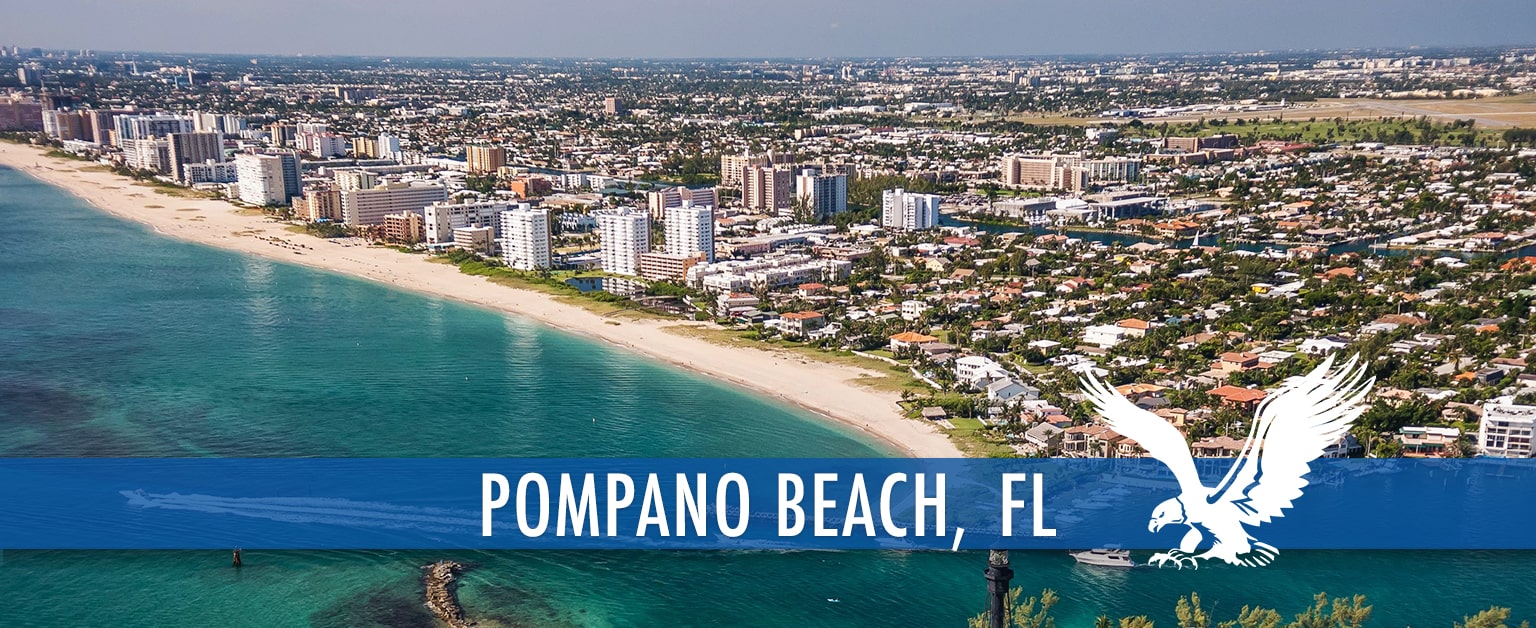
The Pompano Beach, FL flight training school is located at the Pompano Beach Airport, 801 NE 10th Street, Pompano Beach, FL 33060.

FINISH-UP

Pass the Written

Professional

TRAINING PILOTS SINCE 1939

Learn to Fly

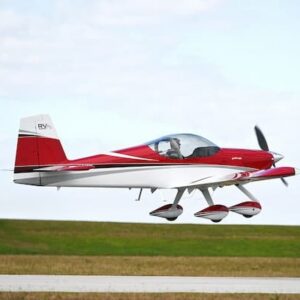
Nothing can compete with the view, the speed and personal accomplishment of flying an airplane… and you can experience that thrill with an introductory flight from American Flyers.

Finish-Up

EXPERTS

We are known as the Finish-Up Experts and we can customize a program just for you

Frequently Asked Questions (FAQS)

The Pompano Beach facility operates with a strict, non-diverted educational focus: they exclusively teach pilots. Unlike other aviation centers in the greater South Florida area that split their corporate focus and hangar assets with charter flight networks, outside maintenance facilities, or FBO fueling lines, American Flyers dedicates 100% of its resources and instructors to flight training and pilot certification.

The Pompano Beach training facility is positioned to serve the entire greater South Florida area, drawing in students who want an isolated, distraction-free learning environment. Even though American Flyers operates with the resources of a large national organization, the Pompano Beach campus explicitly focuses its local reputation on personal service. This means that instead of managing students like numbers in a high-volume metropolitan hub, the local team adapts to individual student needs, maintaining a tight-knit, supportive community on the field at the Pompano Beach Airport.


Operating out of the Pompano Beach Airpark exposes student pilots to an elite and highly operational training environment. Featuring three intersecting runways in a triangular configuration, the airfield provides exceptional crosswind training opportunities. Furthermore, navigating the complex, high-workload South Florida airspace under the guidance of KPMP’s air traffic control tower builds radio communication and spatial awareness skills crucial for entering a commercial airline career.

The Pompano Beach campus is a full-service FAA Part 61 and Part 141 training facility supporting all experience levels:

  • Personal Aviation: Introductory flight lessons, Private Pilot Certificates, and Instrument Ratings.
  • Career Tracks: Commercial Pilot Certificates, Certified Flight Instructor (CFI), Flight Instructor Instrument (CFII), and Multi-Engine Instructor (MEI) ratings.
  • Immersive Academies: The flagship 9-month Airline Academy, alongside specialized, high-velocity “Finish-Up” tracks designed to complete interrupted ratings.

Yes. To accommodate students traveling nationally or internationally for the immersive, fast-track Airline Academy, American Flyers maintains a dedicated network of regional housing partners. Students seeking short- or long-term living arrangements can coordinate directly with the school administration or review available lodging options handled by their primary accommodations provider at www.akaccommodations.com.

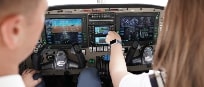
The Pompano Beach campus relies heavily on ground-based simulation to build core proficiency before students step into an actual airplane. To achieve this, the facility utilizes FAA-approved Advanced Aviation Training Devices manufactured by Frasca International. These devices feature highly versatile software and instrumentation setups that allow instructors to dynamically reconfigure the dashboard to simulate two distinctly different cockpit environments:

  • Traditional Six-Pack Configuration: The simulator replicates the legacy round-dial instrumentation layout. This format forces students to master basic hand-eye coordination, interpret pitch and bank without visual aids, and develop a rapid, disciplined instrument scan across the six primary flight gauges.
  • Glass Cockpit Systems: With a quick setting change, the simulator transitions into an electronic flight instrument system that mimics modern Garmin glass panels. This environment trains pilots to manage advanced multi-function displays, handle digital moving maps, and accurately process the high volume of automated data typical of corporate and commercial aircraft.