


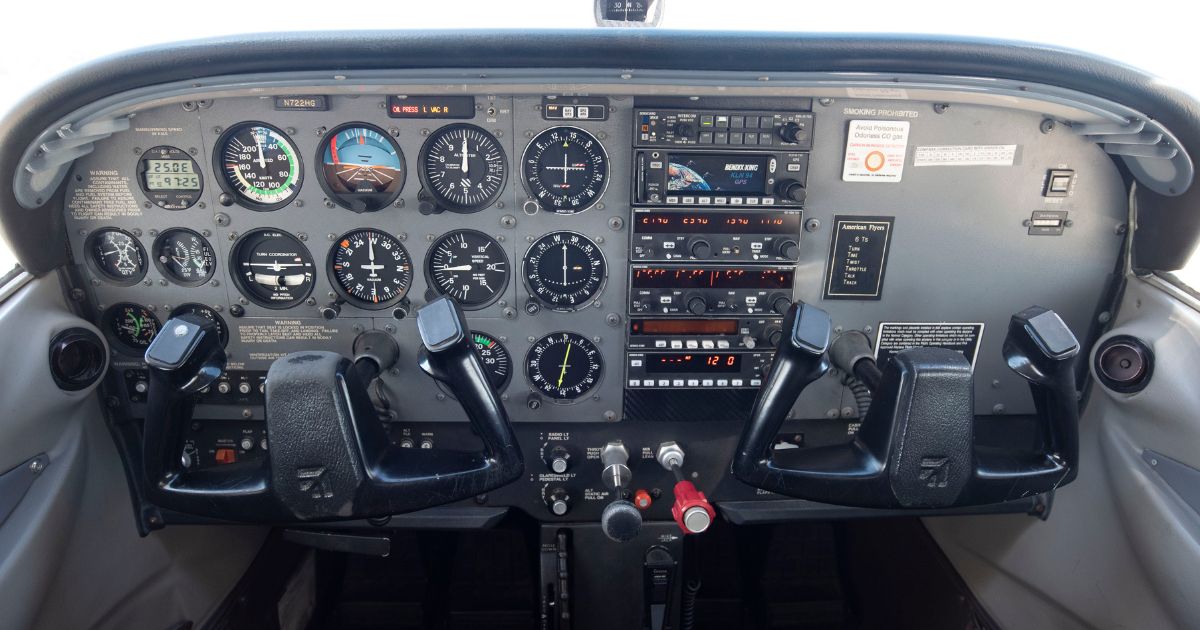
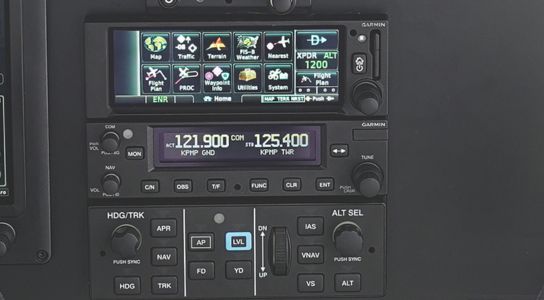
The mark of a good pilot is staying ahead of the airplane, anticipating what’s coming, and being ready to act promptly. This principle applies to both flying the airplane and managing radio communications. To “stay ahead” of communications, the best place to start is on the ground. Before takeoff,
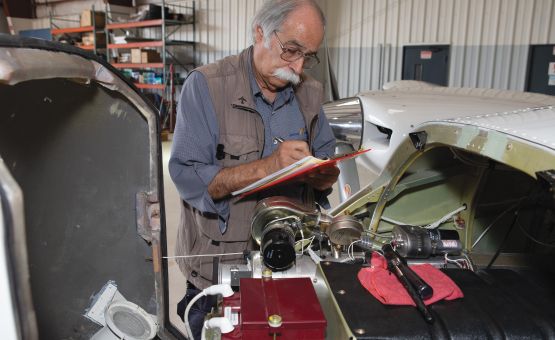
Our full-time staff of mechanics keep you flying for maximum training unlike any other flight school. Feel free to give props to what American Flyers does above and beyond other flight schools. MECHANICS: THE UNSUNG HEROES OF AMERICAN FLYERS At American Flyers, we understand that our maintenance team is
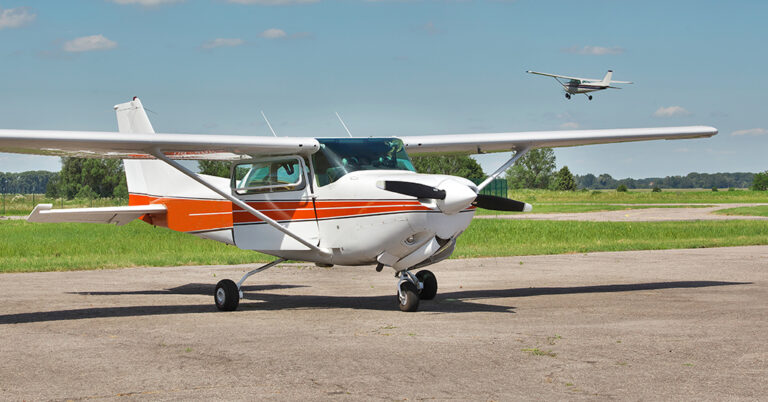
Whether you are learning to fly for fun or as a career, the journey of becoming a pilot is marked by many milestones. Among these, purchasing your first airplane can be one of the most significant. The price of new single-engine airplanes has surged to well over $400,000 in
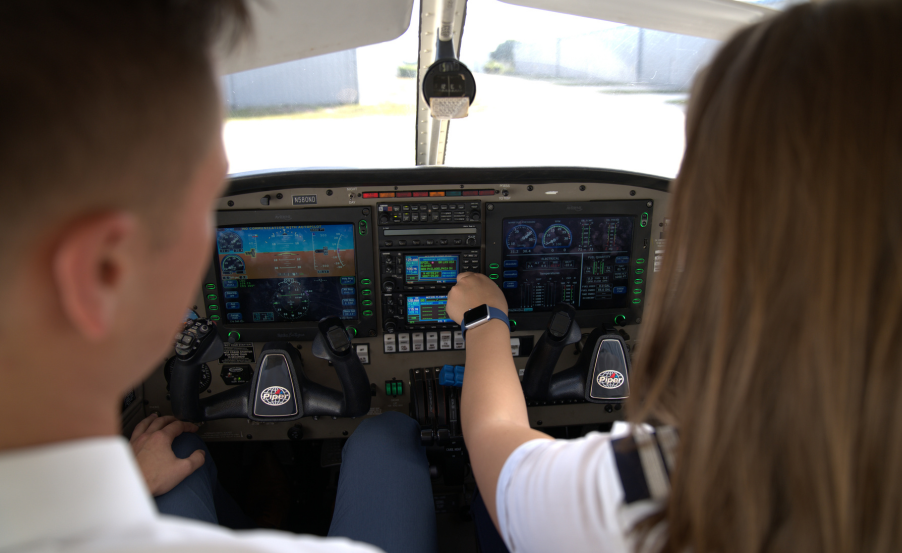
Even in the early days of aviation, the reduction of pilot workload was identified as an important path to increasing safety. As a result, the first autopilot was released in 1912 by the Sperry Corporation, just nine years after the Wright brothers’ first flight. While this 75-pound contraption would
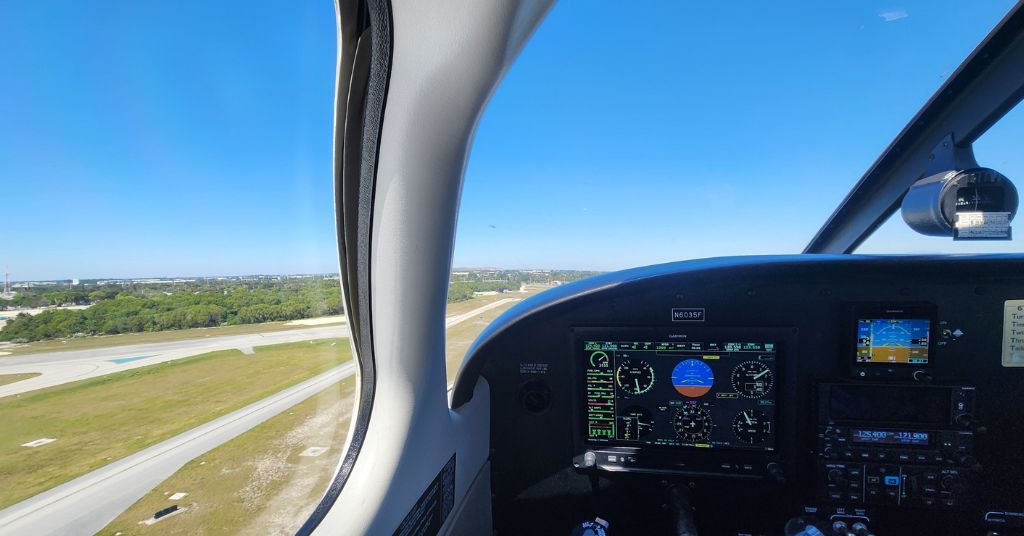
Glass Cockpits first entered service with the military in the late 60s and early 70s. These consisted of a multi-function display in the F-111. By the late 70s and early 80s, NASA primarily used electronic flight displays on many platforms to enhance situational awareness. By the 1990s, LCD panels
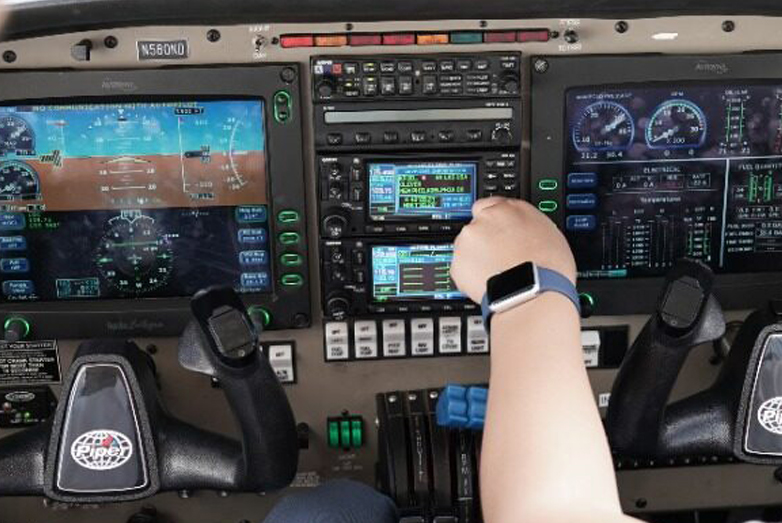
You don’t need to have accumulated hours of experience before embarking on your instrument training; in fact, you can start the day after your private pilot checkride. Almost 80% of our private pilot graduates come back to American Flyers for their Instrument Rating; they recognize the safety and the
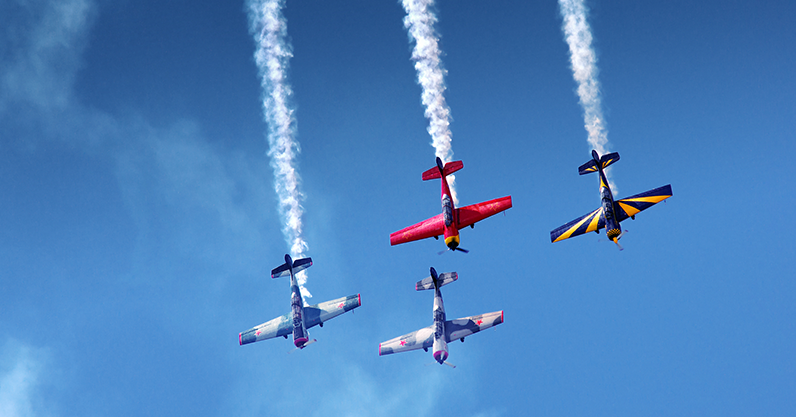
Thousands of pilots and aviation enthusiasts gathered in Oshkosh, Wisconsin, to witness the spectacle of high-flying acrobatics and cutting-edge aircraft technology. Before the air show began, pilots and air traffic controllers geared up to provide a seamless and safe experience for all attendees. If you’re not aware, the number
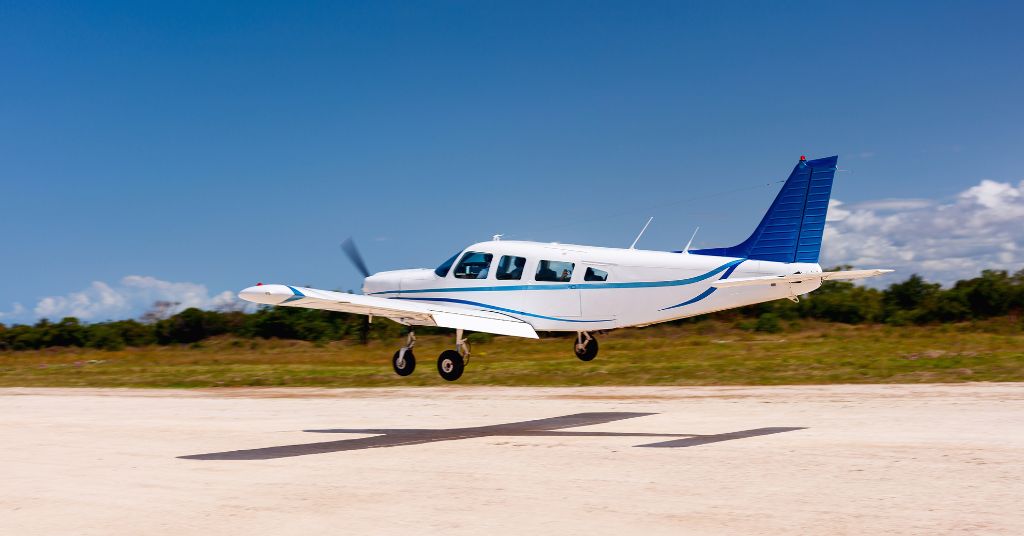
Editor’s Note: Ah, the elusive perfect landing. We have all been there, right? Nice stable approach, airspeed and altitude nailed, no wind, and we are lined up with the numbers as precisely as can be. Fifty feet, twenty feet, ten feet, the swish. A small gust of wind pushes
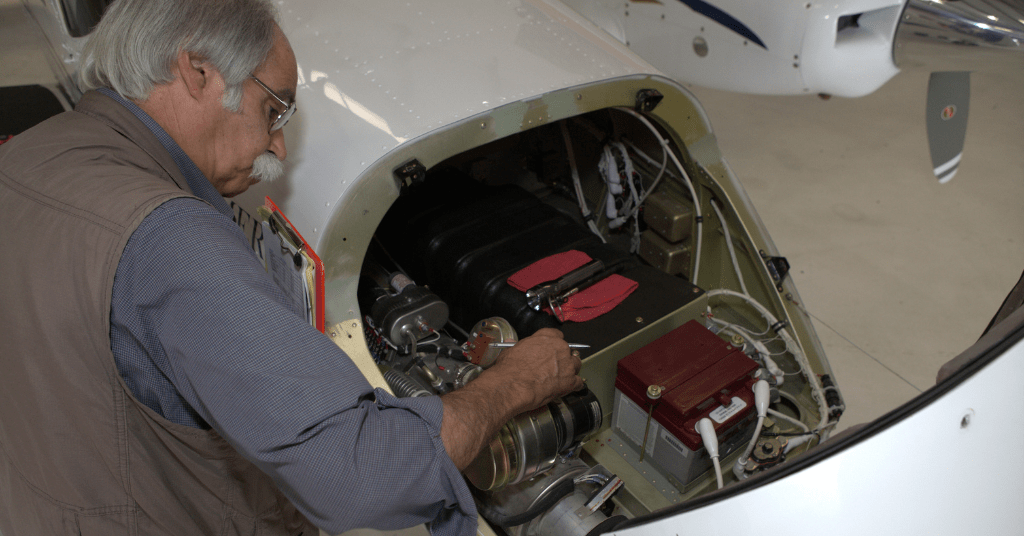
So, you’ve been flying for a little while and are building hours towards that airline career that you can see getting closer on the horizon. At this point, you are confident in an airplane and are familiar with the required documents and inspections needed to verify that the aircraft
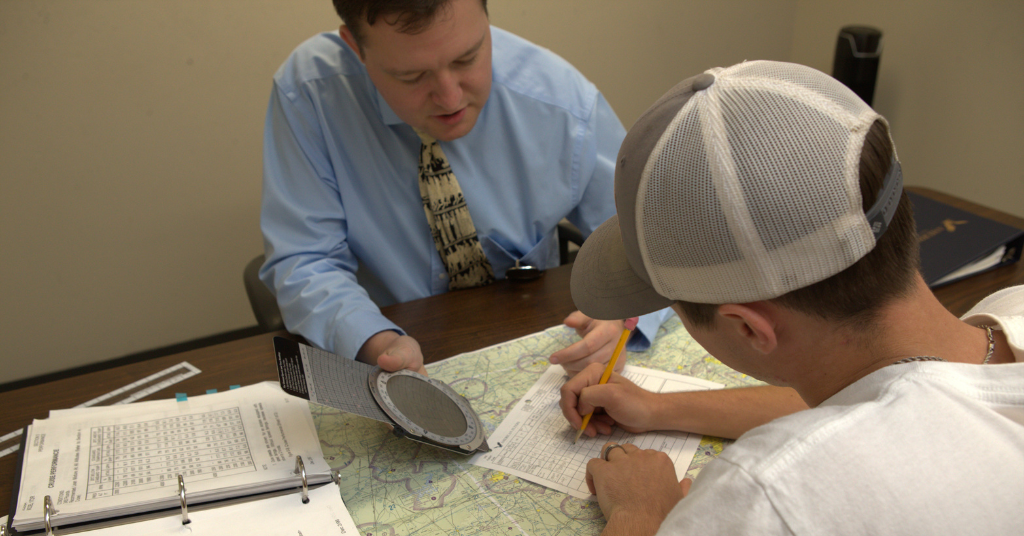
The “finish up” course in flight training is perhaps one of the most ambiguous courses there are. While it is true that your hours never expire, your proficiency and currency are a different story. The last thing that you as a student wants to hear is that your school
Technology has changed the face of general aviation. Everything pilots had to do for themselves in the past, technology now does for you. It accurately tells you where you are, the airspace you are in, the nearest airports and how to get there, all the instrument approaches that apply