






Choosing the right aviation headset is one of the most important equipment decisions for any pilot. Whether you’re a student on your first solo flight or a seasoned aviator logging thousands of hours annually, your headset affects comfort, communication quality, and overall flight safety. With so many options available,
By Mike Bliss We are all familiar with the fact that the FAA issues pilot certificates and Instrument Ratings. What might be less known to those working their way through the different levels of certification is the Type Rating. We know that a Private, Commercial, or ATP pilot certificate
Business aviation services have evolved beyond their traditional use for Fortune 500 corporations because entrepreneurs and small business owners now see pilot training as a viable business approach. The Aircraft Owners and Pilots Association (AOPA) reports that business flights represent 40% of all general aviation operations. The majority of
By Mike Bliss Being professional means more than just being paid to fly. It includes being reliable, respectful, competent, and acting with integrity, while presenting a good appearance. Training to become a professional pilot should emphasize these qualities and be conducted in a professional environment by qualified instructors using
by Mike Bliss Tips for cross country flying, don’t just use your Electronic Flight Bag(EFB) The Electronic Flight Bag (EFB) is truly a marvel in what it can do for a pilot. It can plan your route, calculate weight and balance, fuel burn, flight times, and even file the
Before taking the controls of an aircraft as a student pilot, you’ll need the appropriate medical certificate. There are three different classes of medical certification: First, Second, and Third. It’s important to understand which one aligns with your aviation goals. Whether you’re training for personal enjoyment or training for
By Mason Ross As pilots, we have to keep records of our flying experience “in a manner acceptable to the Administrator”. The FAA has outlined these requirements in § 14 CFR 61.51: Pilot logbooks. The Oxford Dictionary defines a logbook as “an official record of events during the voyage
By Mason Ross It is finally time. You’ve completed the required dual instruction, solo flights, ground training, and written exam. Your flight instructor has endorsed you as “prepared for the practical test for the issuance of the certificate or rating” you’ve been training for. That endorsement wouldn’t be in
The More You Practice, the Better You’re Prepared Emergency preparedness isn’t just about reacting in the moment, it’s about training beforehand to recognize warning signs, think clearly under pressure, and respond with precision. For pilots, that readiness comes from a combination of hands-on flying and simulator training. But how
A pilot’s first solo flight is a major milestone filled with pride, excitement, and a touch of nervousness. For many students, it’s the moment everything clicks: all the ground school, dual flights, and practice come together, and you realize you’re ready to fly an aircraft completely on your own.
Tell us a little about yourself. My name is Jessica Mubarak. I’m from South Brunswick, NJ, and I am a full-time American Flyers student. I also work at a restaurant as well! How did you get into flying? Well, as a kid I would travel a lot, and I

The FAA currently shows 617,000 pilots in their registry. That means that less than 1 percent of the US population are pilots. Of those, approximately 159,000 hold airline transport pilot certificates. And of those, approximately 110,000 are actively flying for airlines. There are differing opinions on whether the industry
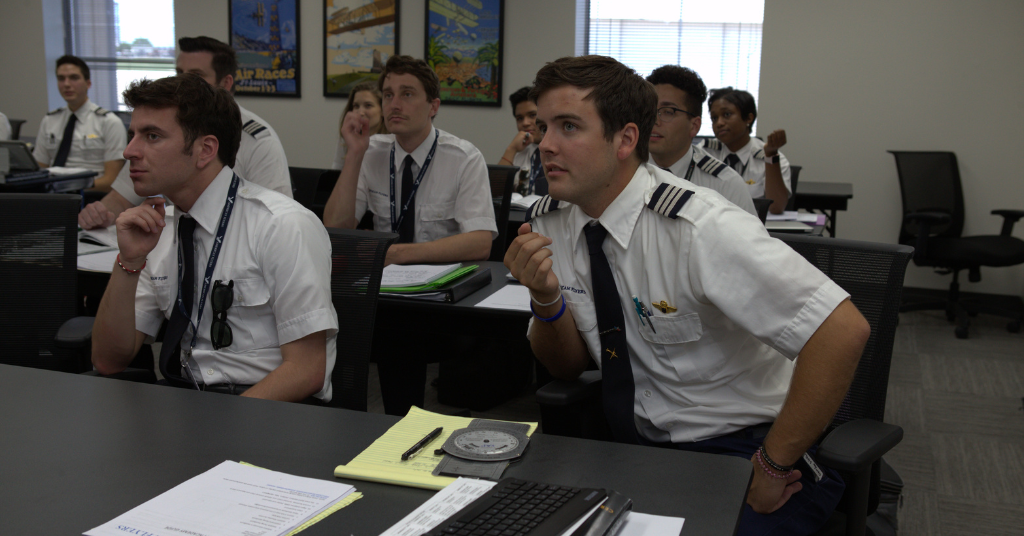
At American Flyers, we don’t sell fuel and we don’t charter or rent our airplanes. When asked why we don’t rent our airplanes to the public, the answer is simple: we want to ensure our students have access to our airplanes whenever they need them. Our priority is flight
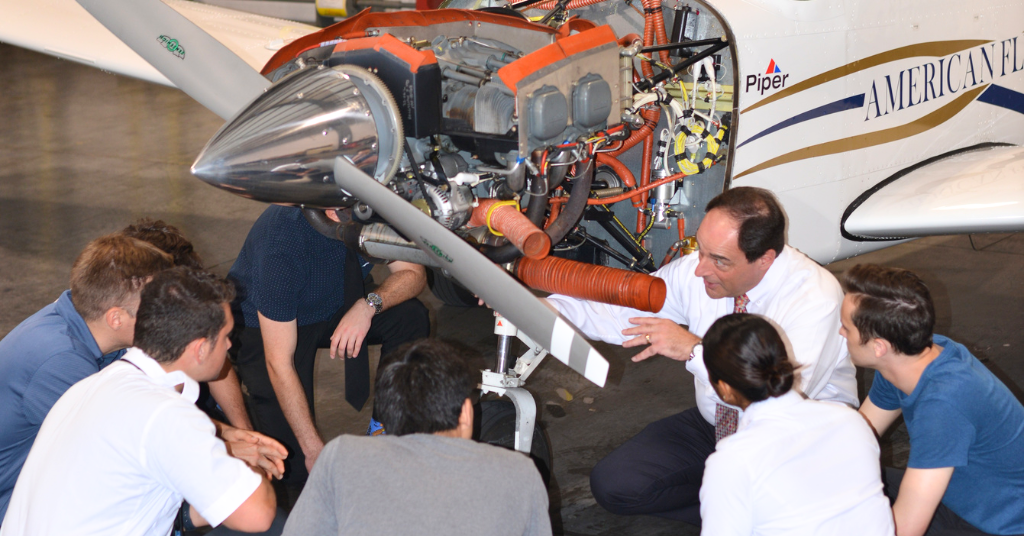
We live in a society of instant gratification in which finding the “cheapest” option is often more important than finding a quality option. The value of education is not always the priority, and this is especially true when it comes to aviation. For many, the hourly cost has become
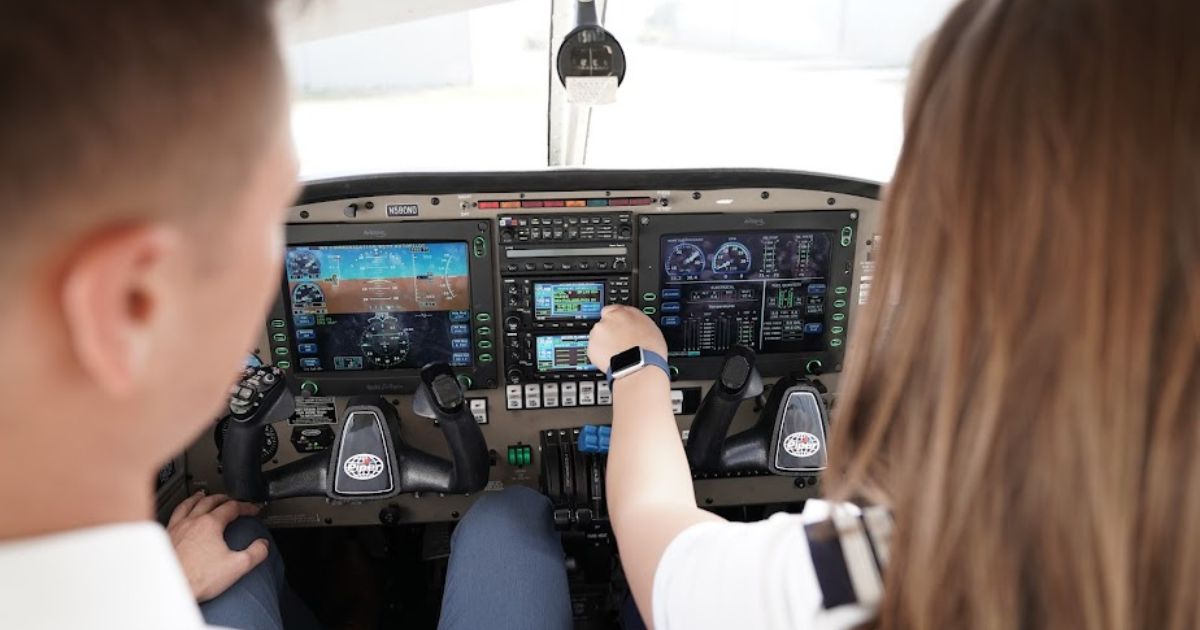
Happy New Year to our friends, family, and fellow flyers! We hope 2022 was a wonderful year for you and that 2023 brings you much health and happiness. With each new year we anticipate new and different changes in the general aviation industry. Some of these changes are regulatory,
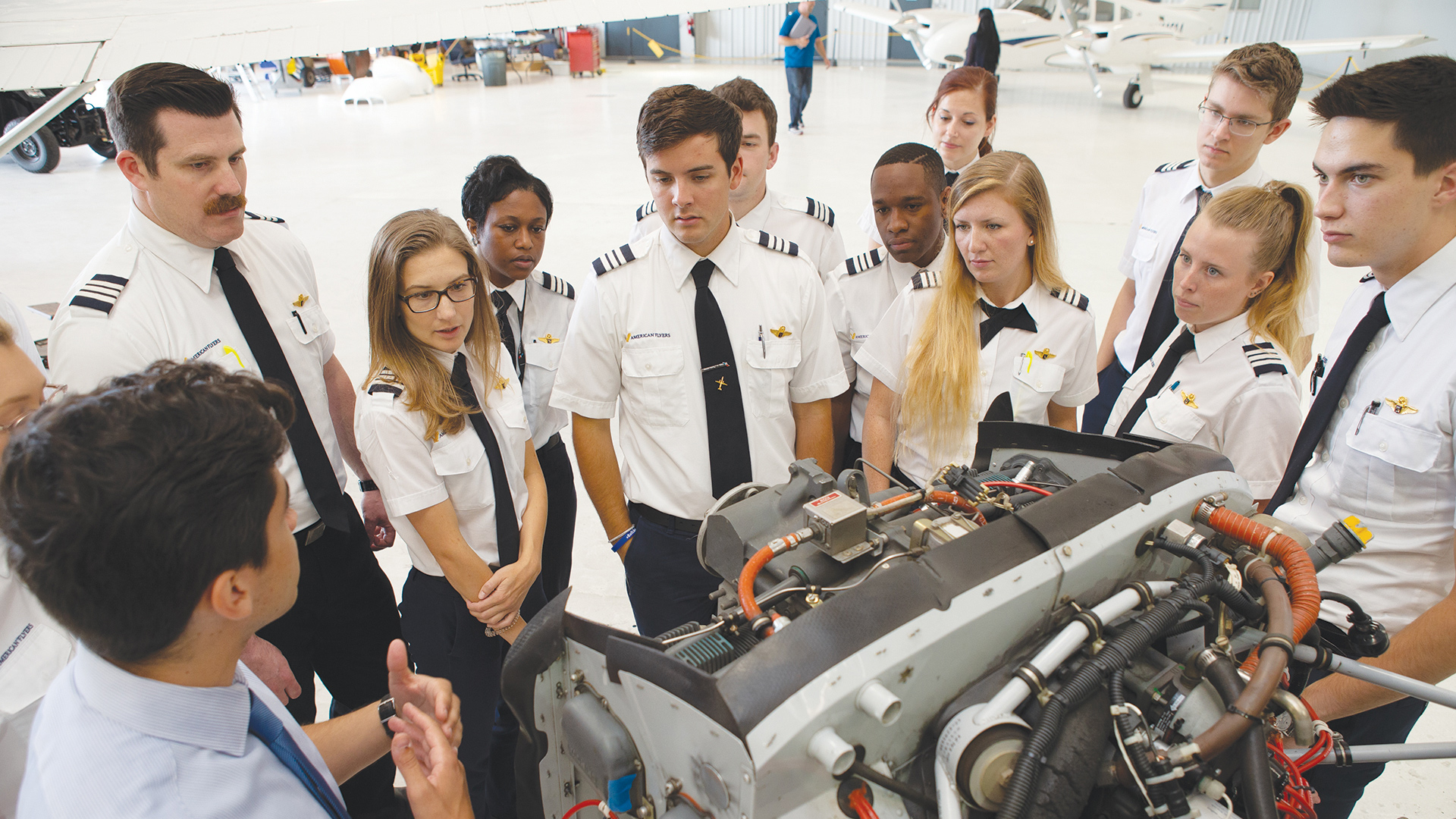
By: Andrew F. Henley, Vice President American Flyers I really enjoy being a part of our American Flyers Airline Academy orientation. If you don’t already know, our airline academy is designed to create professional pilots who will become leaders in the airline industry. In fact, during orientation, we tell
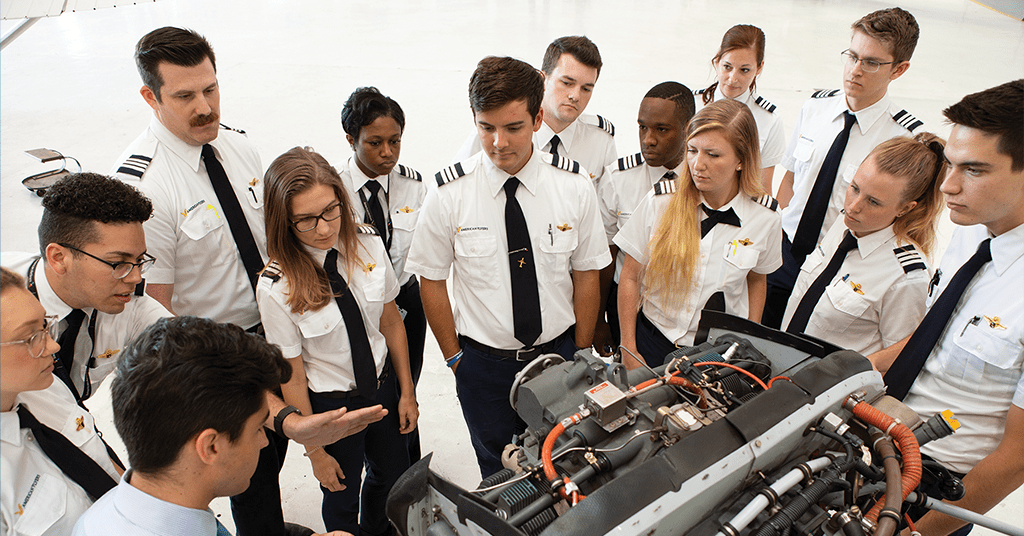
By Steven Daun, National Chief Pilot It seems like today, every advertisement for every flight school includes some type of airline academy. These words are usually surrounded by pictures of large airplanes and different airline logos. Some are quite impressive and even have pictures of student pilots in uniform.

The best way to learn is to try, and try, and try again. “Practice makes perfect” are well-known words we all grew up on. And of course, this phrase absolutely applies to flying. I recently ran into an old CFI student of mine from many years ago. We spent
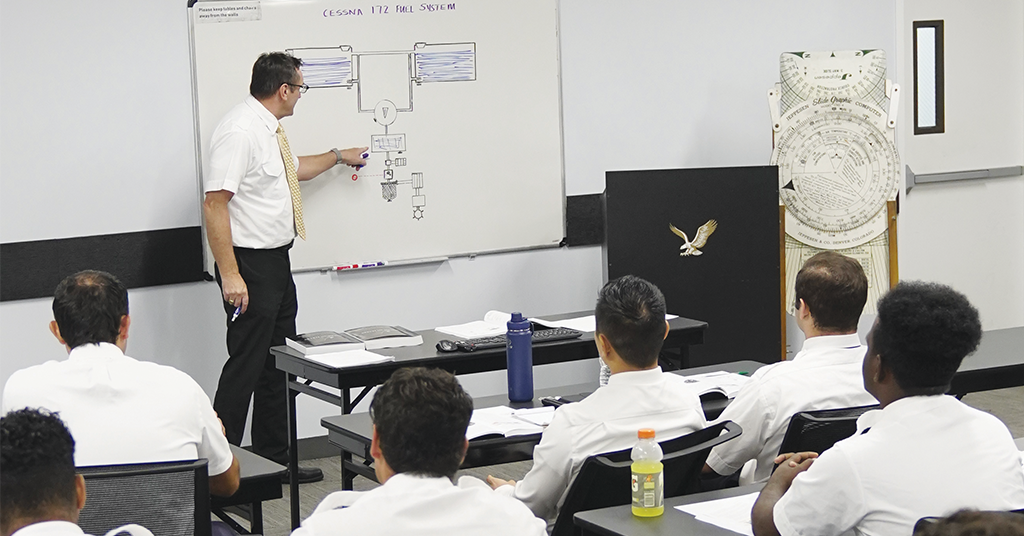
In October 2018, we published an article titled “Why Now is a Great Time to Become a Commercial Pilot.” In that article, we focused on the state of the industry from mostly a logistics perspective. There were not enough pilots to fly airplanes, and we had record airplane sales.
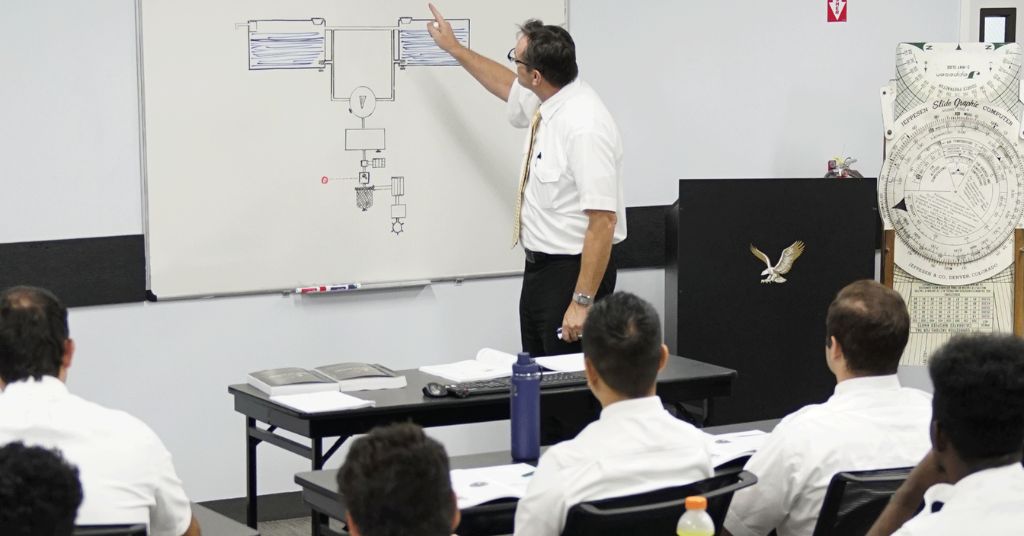
Quite a few of you have had the unique and challenging experience of assisting a child in choosing a college. Maybe you flipped a coin for children two and three, but picking a college for that first was quite a daunting task. As it was a brand new experience,
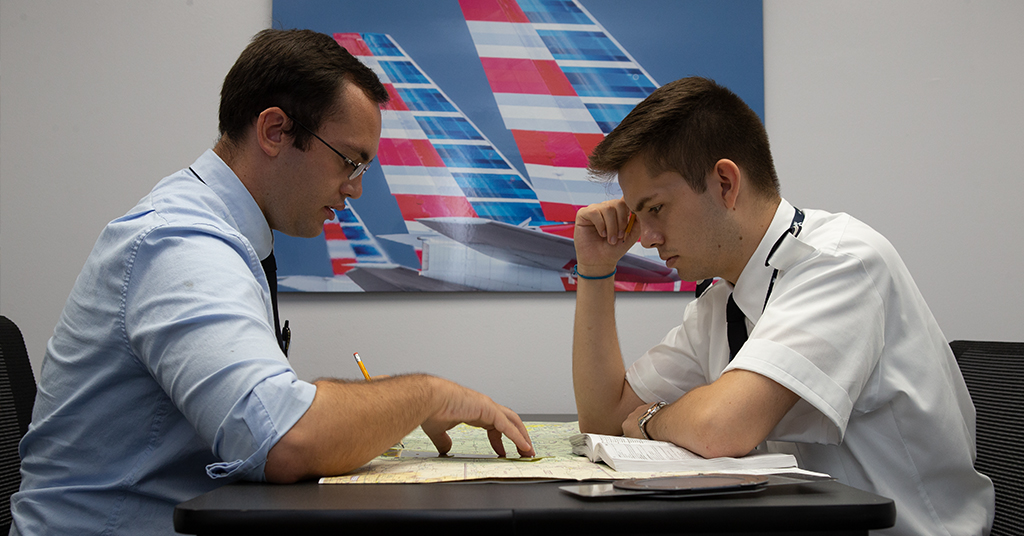
If you ever watched the movie “The Right Stuff,” there was a very quick yet telling line that applies to all wannabe pilots. Gordo Cooper asked a reporter if they knew what made their craft go up. The reporter asked, “what?” Gordo smiled and said, “no bucks, no Buck
By Steven Daun, National Chief Pilot When searching for a flight school, your first series of questions should be concerning the average amount of hours that it takes for a typical student to complete their training and the quality of instruction that you will receive. It should NOT be