









Identifying airport types is essential for successful cross-country flight planning. It helps both student pilots and experienced aviators select airports that suit their missions. The U.S. aviation system operates 19,400 airports, each offering distinct functions and service levels. Choosing the right airport type saves time, resources, and enhances the

by Mason Ross At airports without an operating control tower, the Common Traffic Advisory Frequency, or CTAF, is a frequency designed for the purpose of carrying out airport advisory practices while operating to or from an airport without an operating control tower. Put simply, this is the radio frequency

The demand for qualified flight instructors has never been higher, with training schools nationwide competing for talented CFIs who can shape the next generation of pilots. As the aviation industry grows and the pilot shortage continues, schools are seeking instructors who combine technical expertise with exceptional teaching skills. Understanding

Choosing the right aviation headset is one of the most important equipment decisions for any pilot. Whether you’re a student on your first solo flight or a seasoned aviator logging thousands of hours annually, your headset affects comfort, communication quality, and overall flight safety. With so many options available,
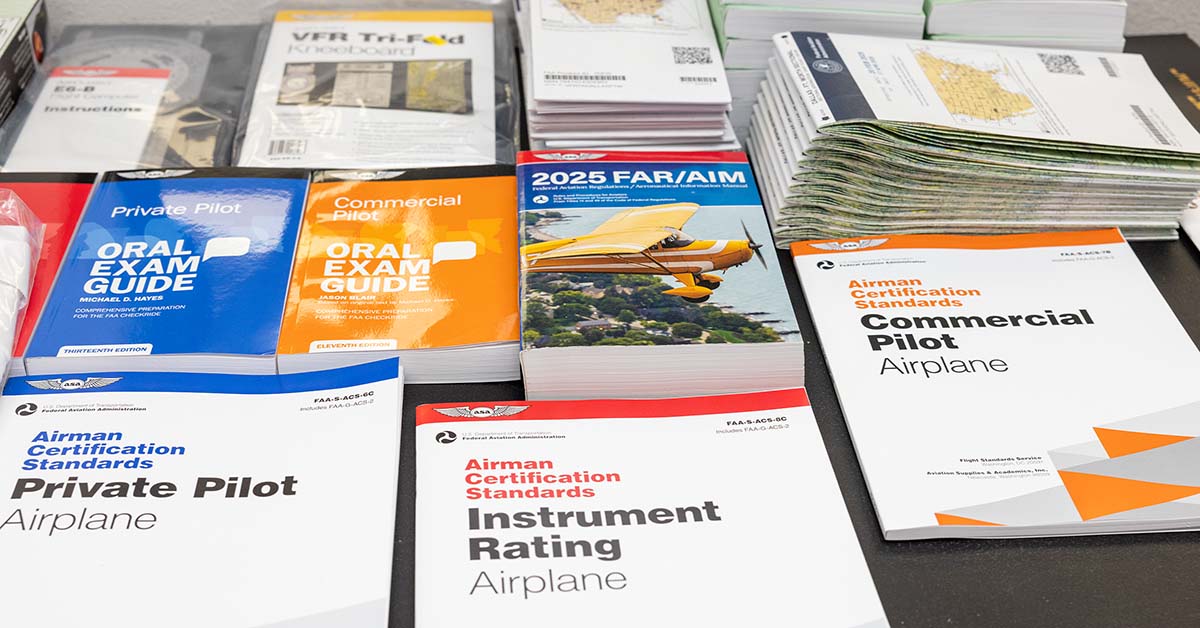
By Mike Bliss We are all familiar with the fact that the FAA issues pilot certificates and Instrument Ratings. What might be less known to those working their way through the different levels of certification is the Type Rating. We know that a Private, Commercial, or ATP pilot certificate
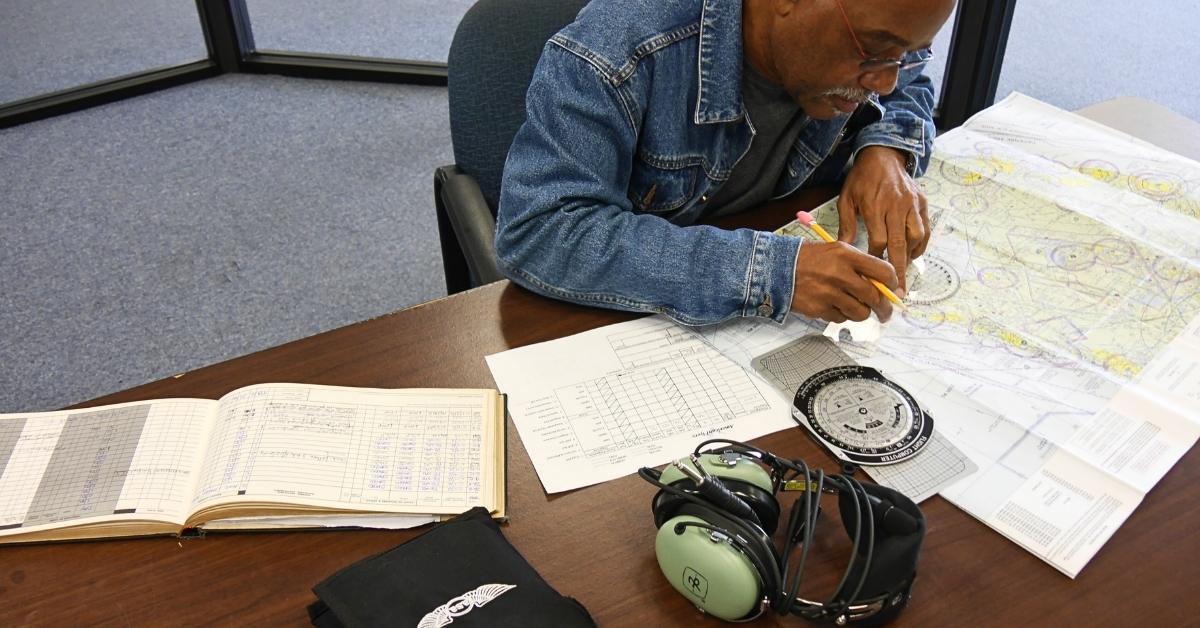
by Mike Bliss Tips for cross country flying, don’t just use your Electronic Flight Bag(EFB) The Electronic Flight Bag (EFB) is truly a marvel in what it can do for a pilot. It can plan your route, calculate weight and balance, fuel burn, flight times, and even file the
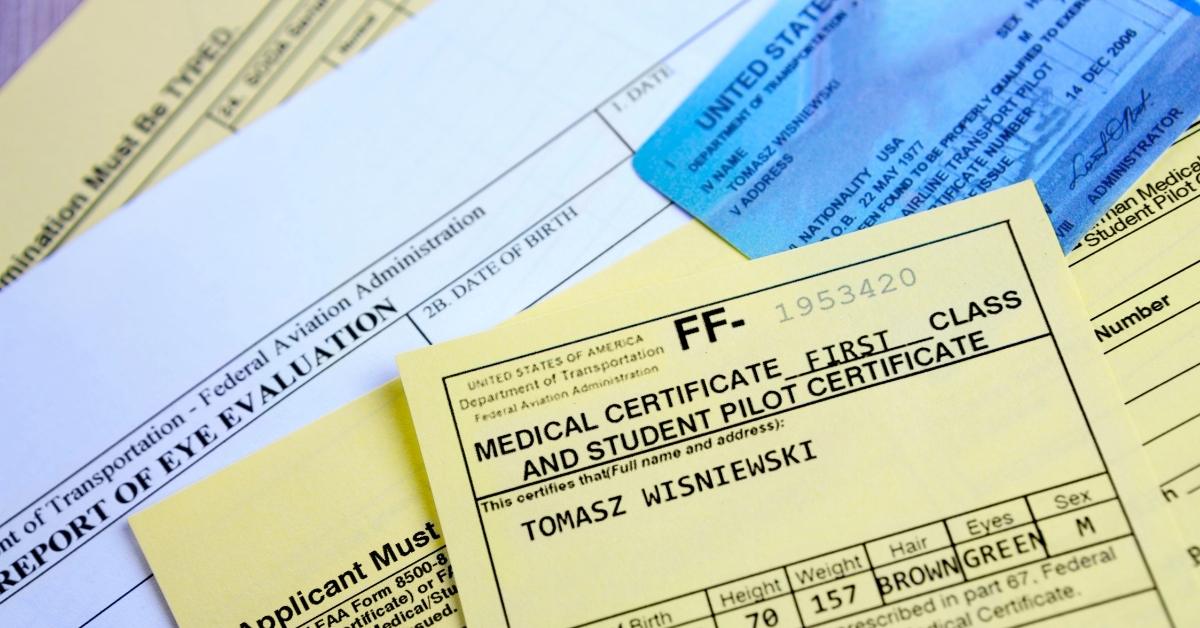
Before taking the controls of an aircraft as a student pilot, you’ll need the appropriate medical certificate. There are three different classes of medical certification: First, Second, and Third. It’s important to understand which one aligns with your aviation goals. Whether you’re training for personal enjoyment or training for
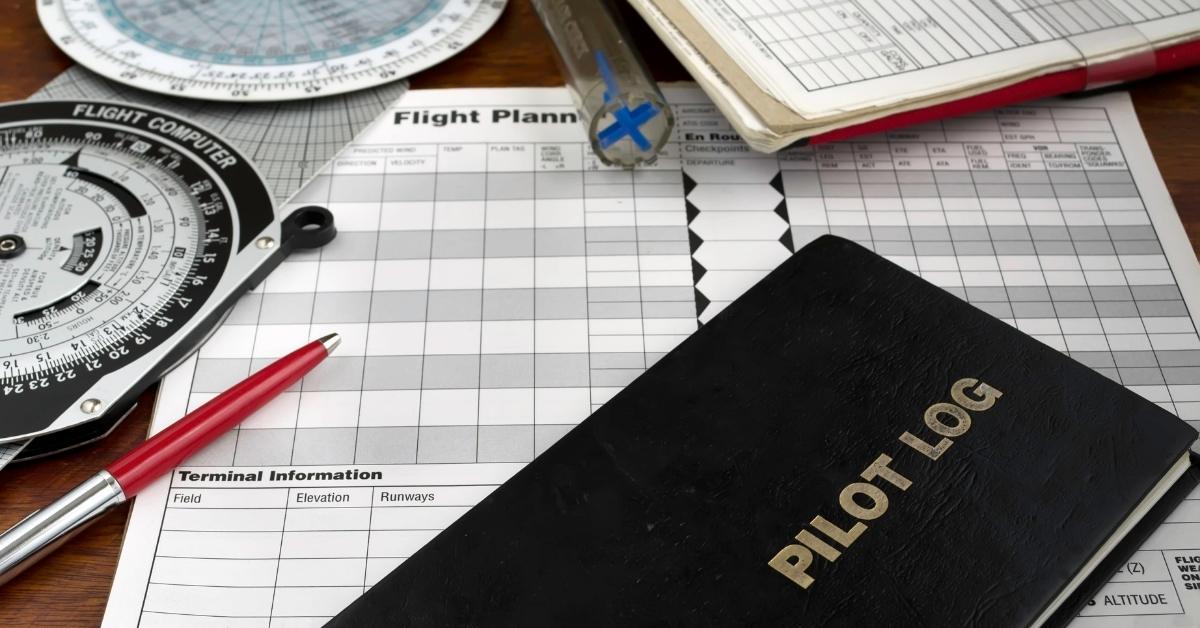
By Mason Ross As pilots, we have to keep records of our flying experience “in a manner acceptable to the Administrator”. The FAA has outlined these requirements in § 14 CFR 61.51: Pilot logbooks. The Oxford Dictionary defines a logbook as “an official record of events during the voyage

By Mason Ross It is finally time. You’ve completed the required dual instruction, solo flights, ground training, and written exam. Your flight instructor has endorsed you as “prepared for the practical test for the issuance of the certificate or rating” you’ve been training for. That endorsement wouldn’t be in

The More You Practice, the Better You’re Prepared Emergency preparedness isn’t just about reacting in the moment, it’s about training beforehand to recognize warning signs, think clearly under pressure, and respond with precision. For pilots, that readiness comes from a combination of hands-on flying and simulator training. But how

A pilot’s first solo flight is a major milestone filled with pride, excitement, and a touch of nervousness. For many students, it’s the moment everything clicks: all the ground school, dual flights, and practice come together, and you realize you’re ready to fly an aircraft completely on your own.