

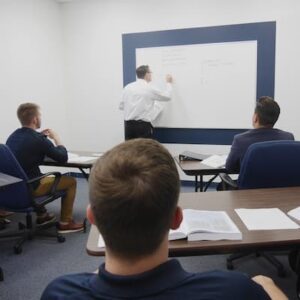
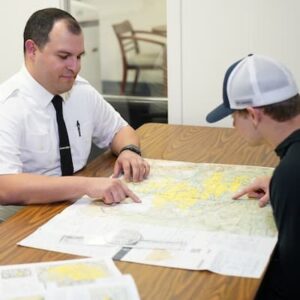

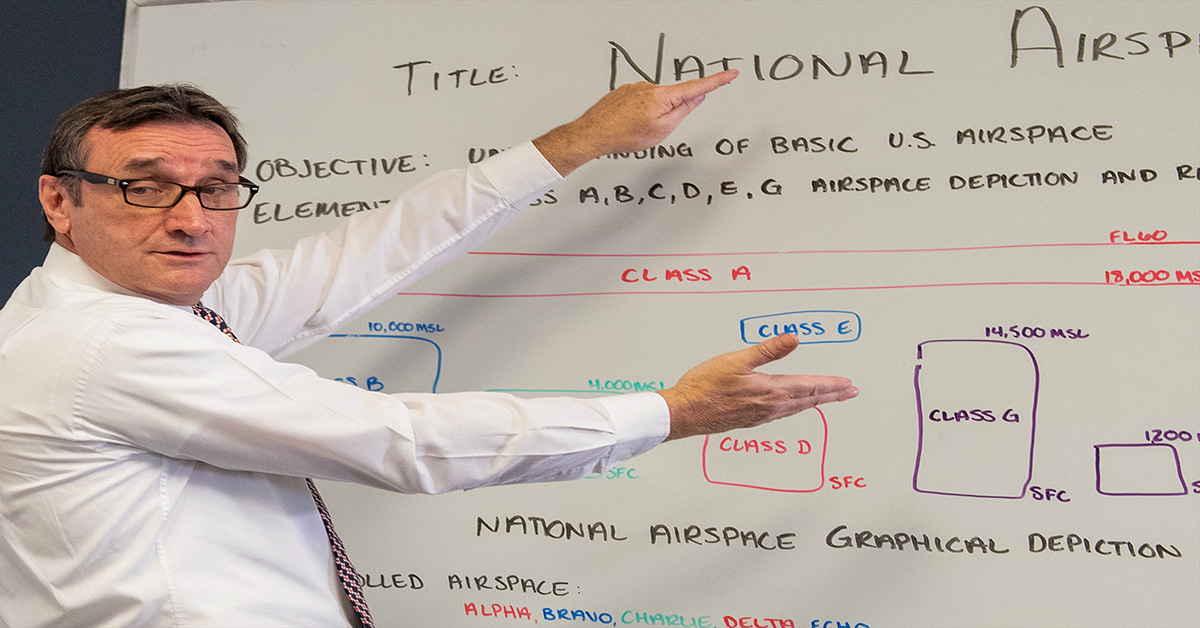
Airspace functions like invisible boundaries in the sky. It is a complex, three-dimensional grid designed to manage the safe and efficient flow of air traffic. Mastery of airspace regulations for pilots serves as a pillar of being a professional pilot. This knowledge distinguishes a disciplined aviator from a recreational

By Mike Bliss Automation handles much of the pilot workload today, especially regarding aircraft movement. This raises the question of whether hand flying remains a necessary skill. Automated systems often execute maneuvers with high precision, making it reasonable to wonder if manual flying has become obsolete. Manual flying is
By Mason Ross We often hear the adage about making lemonade from lemons. In aviation, the corresponding philosophy is straightforward: when weather limits visibility, file IFR and continue the mission. You must hold a private pilot certificate to adopt this approach. Training for this certificate occurs primarily under visual
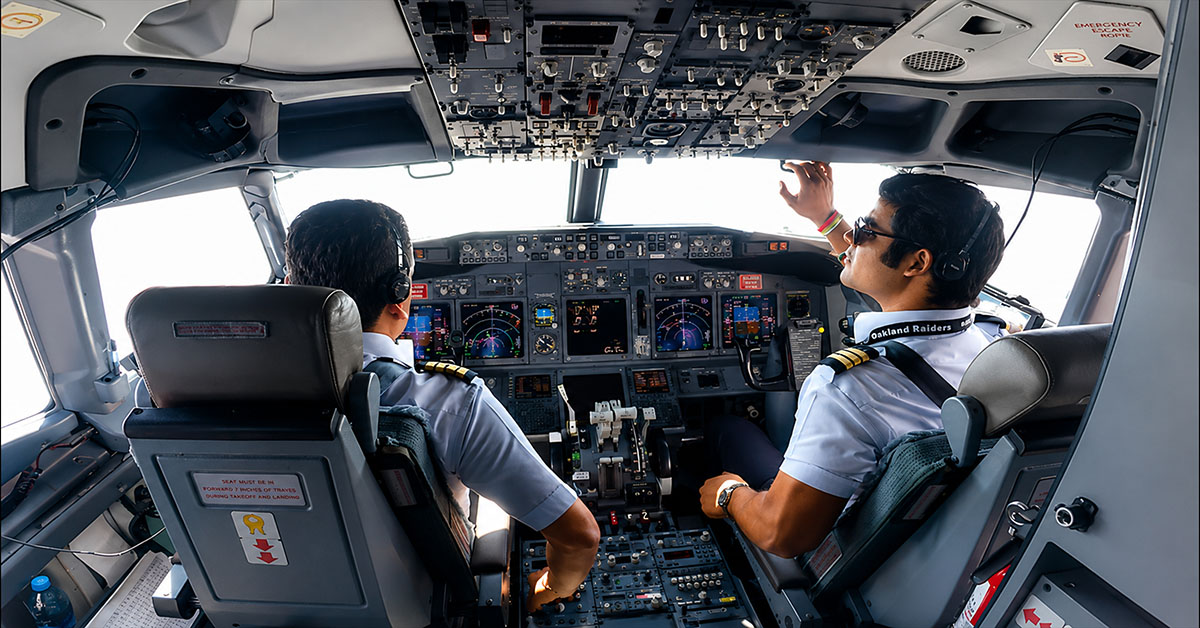
Airline hiring in 2026 has normalized. The record-setting surge in 2022 and 2023 accelerated hiring timelines, pulling future demand forward. With that pace settled, the market reflects a traditional hiring cycle. This cycle offers strong opportunities for pilots, as well as maintenance technicians needed to keep fleets operational and

For a lot of people, learning to fly begins as a quiet idea. Maybe it has been in the back of your mind for years. Maybe it is something you have only recently started taking seriously. For some it’s been a life long dream you haven’t acted upon. Either
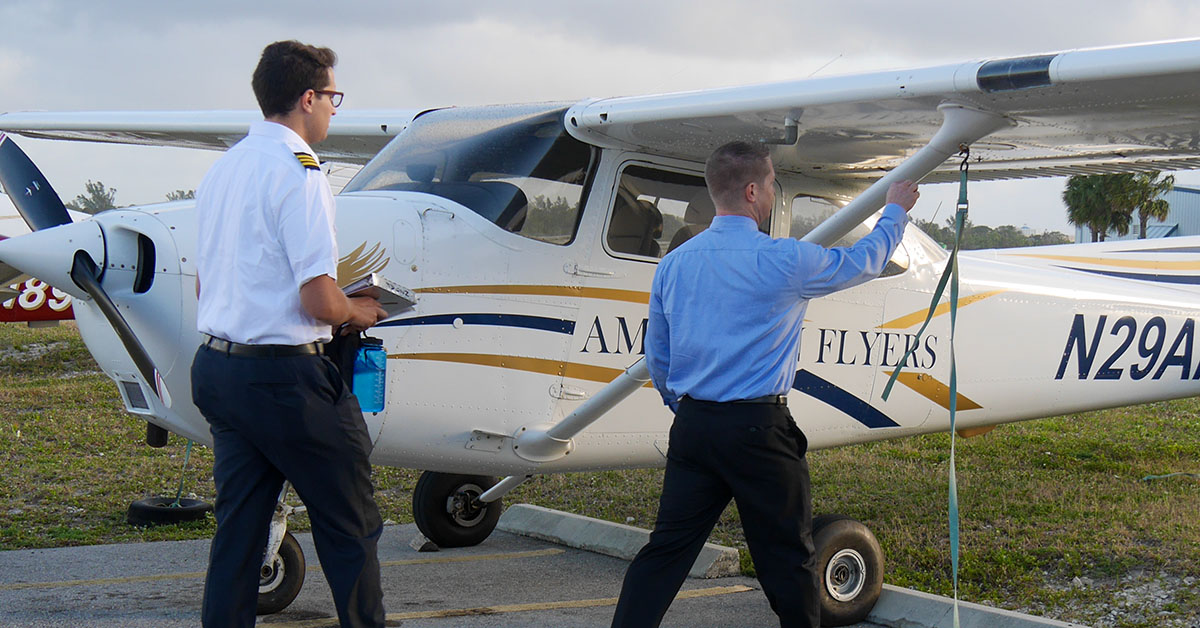
If you want to become a commercial pilot, your training path matters. A lot of students start by looking at the obvious things first: cost per hour, aircraft availability, location, and how quickly they can begin. Those are all valid considerations. The bigger question is how the training is
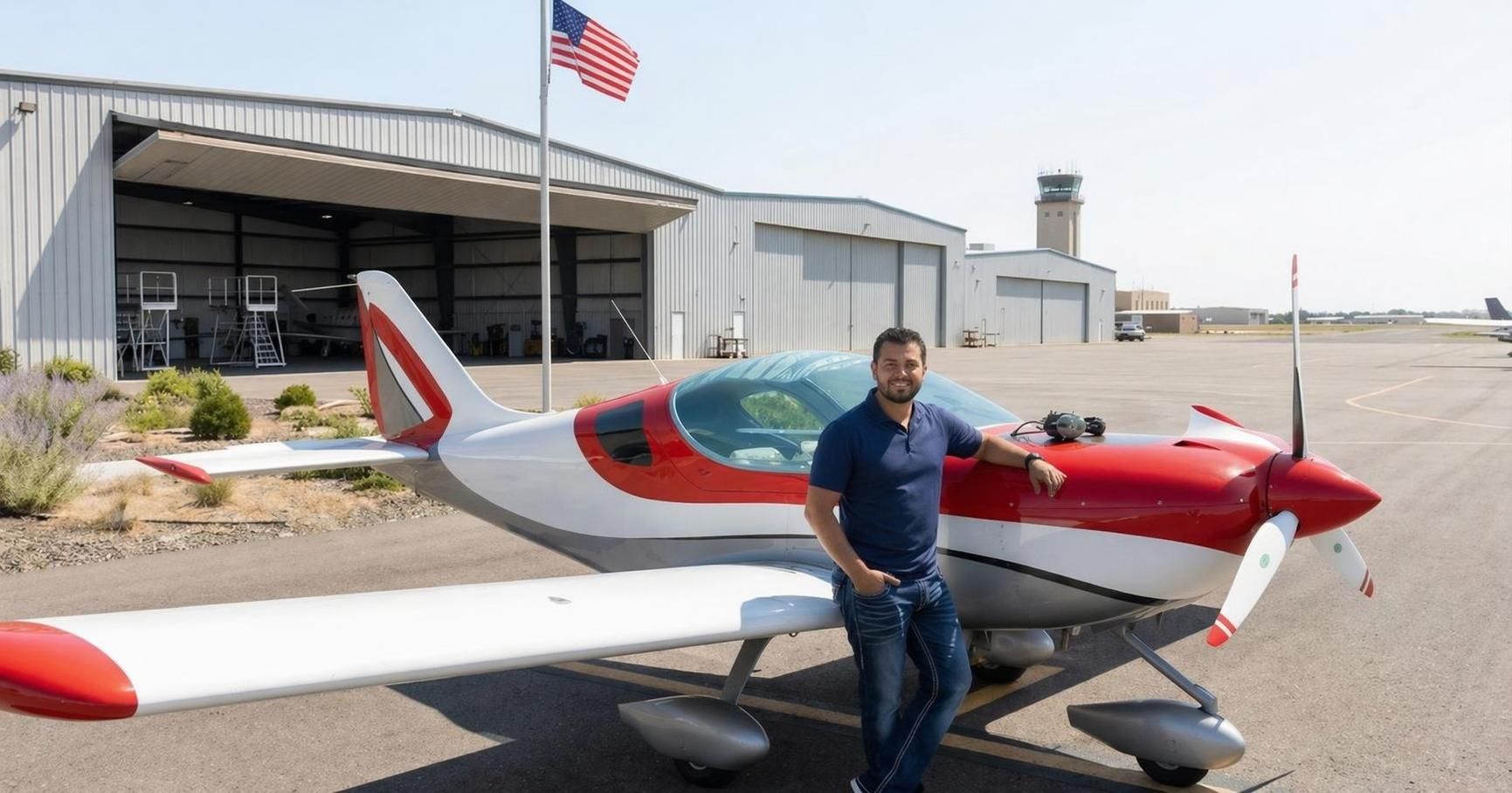
By Mason Ross On July 24, 2025, the FAA published a set of changes to the regulations applying to individuals seeking or currently holding Sport Pilot certificates: the Modernization of Special Airworthiness Certification, or MOSAIC. Based on safety data gathered over the last twenty years, the aim of MOSAIC
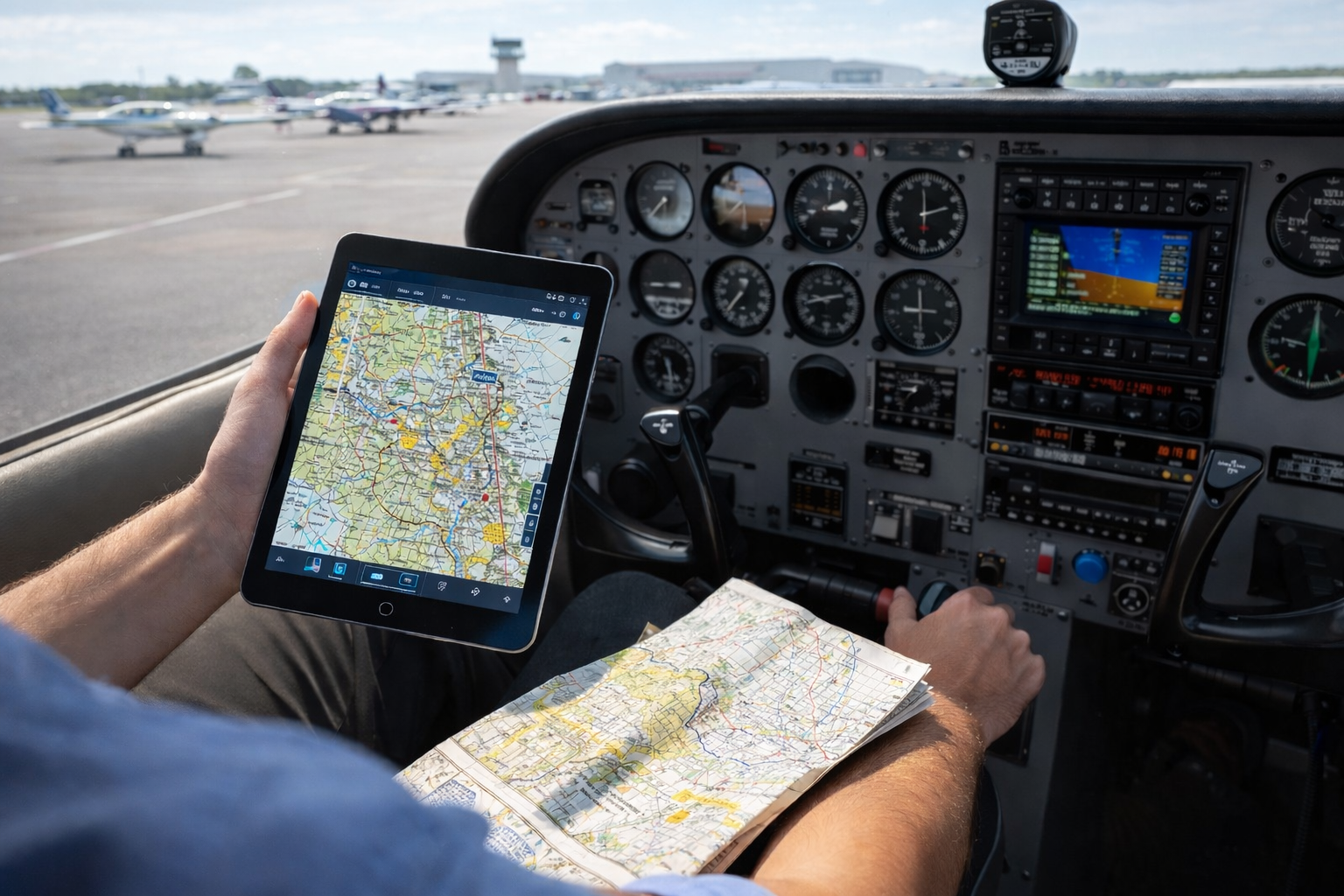
Electronic Flight Bags (EFBs) have revolutionized aviation, transforming how pilots plan flights, navigate, and access critical information. What once required a heavy flight bag full of sectional charts, approach plates, and AFD supplements now fits comfortably on a tablet weighing less than a pound. ForeFlight, Garmin Pilot, and similar
One of the most common questions in flight training is: What is the difference between Part 61 and Part 141 training, and which is best for me? To answer the first part, these are two different regulatory paths under which a pilot can be certified. Each has its own