









By Mike Bliss
Automation handles much of the pilot workload today, especially regarding aircraft movement. This raises the question of whether hand flying remains a necessary skill. Automated systems often execute maneuvers with high precision, making it reasonable to wonder if manual flying has become obsolete.
Manual flying is a fundamental skill developed through significant time and financial investment during flight training. It serves as the foundation for all other aviation competencies. Being a proficient “stick” is a traditional value in aviation. Modern general aviation aircraft now possess automated functions similar to those in commercial jets, making it important to evaluate the necessity of maintaining manual currency.
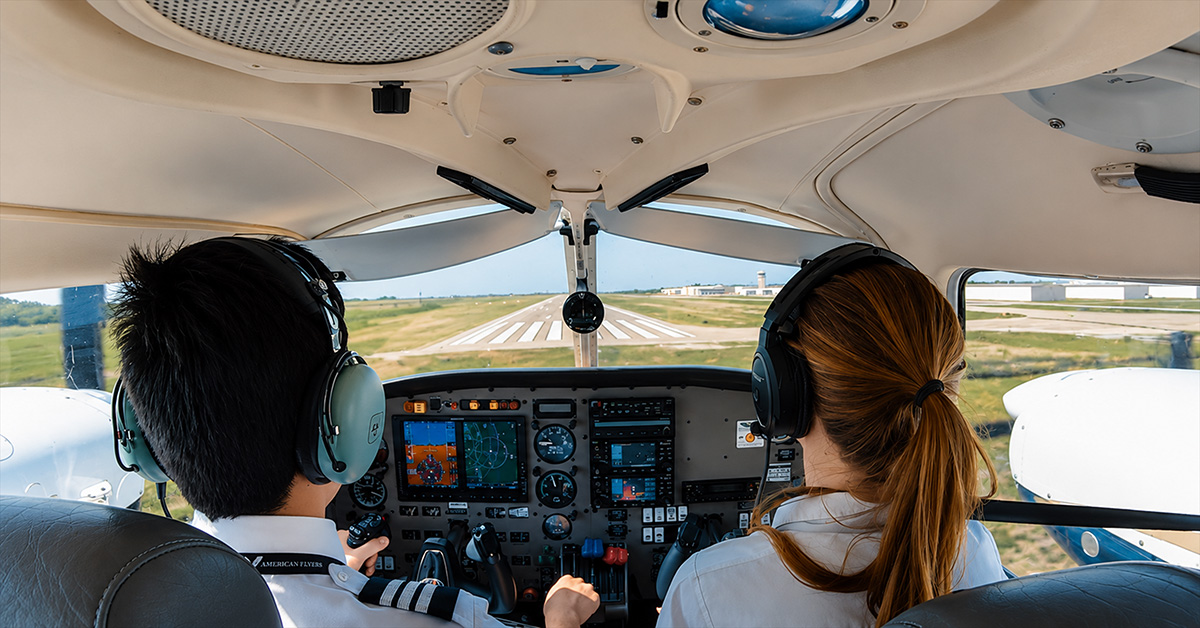
Technically Advanced Aircraft shift the pilot’s role toward systems management. Pilots spend a significant portion of their time monitoring flight systems to ensure efficiency and safety. However, automated systems can fail. If a failure occurs, a pilot must be prepared to resume control, potentially in a high-stress environment. Automation relies on the integration of multiple components, and a failure in one area can require the pilot to fly manually. Every pilot should strive to maintain strong manual skills for these situations.
Hand flying provides a more intimate connection with the aircraft. It allows a pilot to feel the trim, verify pitch and power settings, and ensure the controls are balanced. These factors keep a pilot actively involved in the performance of the aircraft. This engagement ensures the pilot remains an active participant in the flight.
Manual skills diminish over time and require routine practice. Pilots can maintain proficiency by flying manually to cruise altitude or by hand flying an instrument approach. Regular practice ensures a pilot is prepared for an unexpected transition to manual control.
Hand flying instrument approaches regularly keeps your instrument scan sharp. Monitoring an automated approach does not require the same structured scan as flying manually. This proficiency is critical during stressful situations when an efficient scan is necessary for safety.
Sudden transitions to manual flight involve several challenges. A pilot may experience a brief period of uncertainty following a system change. Troubleshooting the problem can also distract from the immediate task of flying. Without regular practice, reaction times may slow, and control inputs can become less precise. If a pilot is operating in IMC, the high workload of manual control can reduce situational awareness and lead to delayed tasks.
Automation remains a valuable asset in the cockpit. An old aviation saying suggests that the autopilot is an excellent servant. Electronic aids provide options for conducting flights and are useful during the enroute phase to reduce fatigue. This keeps the pilot fresh for the approach and landing. Automation is a tool designed to assist the pilot.
Pilots should utilize the benefits of automation while keeping manual skills current. Proficiency requires intentional effort. Consistently practicing manual maneuvers ensures that the necessary skills are available when they are required for flight safety.