





by Mason Ross
At airports without an operating control tower, the Common Traffic Advisory Frequency, or CTAF, is a frequency designed for the purpose of carrying out airport advisory practices while operating to or from an airport without an operating control tower.
Put simply, this is the radio frequency that pilots of both arriving and departing aircraft should communicate on, as there is no control tower issuing clearances to sequence and separate aircraft. It is up to the pilots operating in the area to sequence themselves safely by stating their intentions and actions on the CTAF.
However, there is one major caveat to this: communicating on this frequency is not a requirement when flying to or from an airport without an operating control tower. Many pilots who fly out of these airports are aware of this and do not communicate on the CTAF, even if their aircraft is equipped with radios to do so. This invites unnecessary risk. Failure to follow communication protocols and monitor the CTAF has contributed to near mid-air collisions and, as such, can be considered careless and reckless operation of an aircraft.
By following communication protocols that are established in the Aeronautical Information Manual and Advisory Circular 90-66C, you can enhance your situational awareness and ensure other pilots in the area are aware of your intentions. Radio communications should be brief and concise, but also clear and definite. In the following order, include only the information necessary to convey whom you are speaking to, who you are, where you are located, and what you intend to do. This procedure is called “self-announcing” and should be used during all phases of flight.
When departing from an airport without an operating control tower, the communication process should begin before you leave the parking or ramp area. This allows other pilots to stay vigilant for the movement of your aircraft on the surface, especially in instances where you may be taxiing in or out of an area with low visibility, such as between rows of hangars. Be sure to include what taxiway(s) and runway you intend to use.
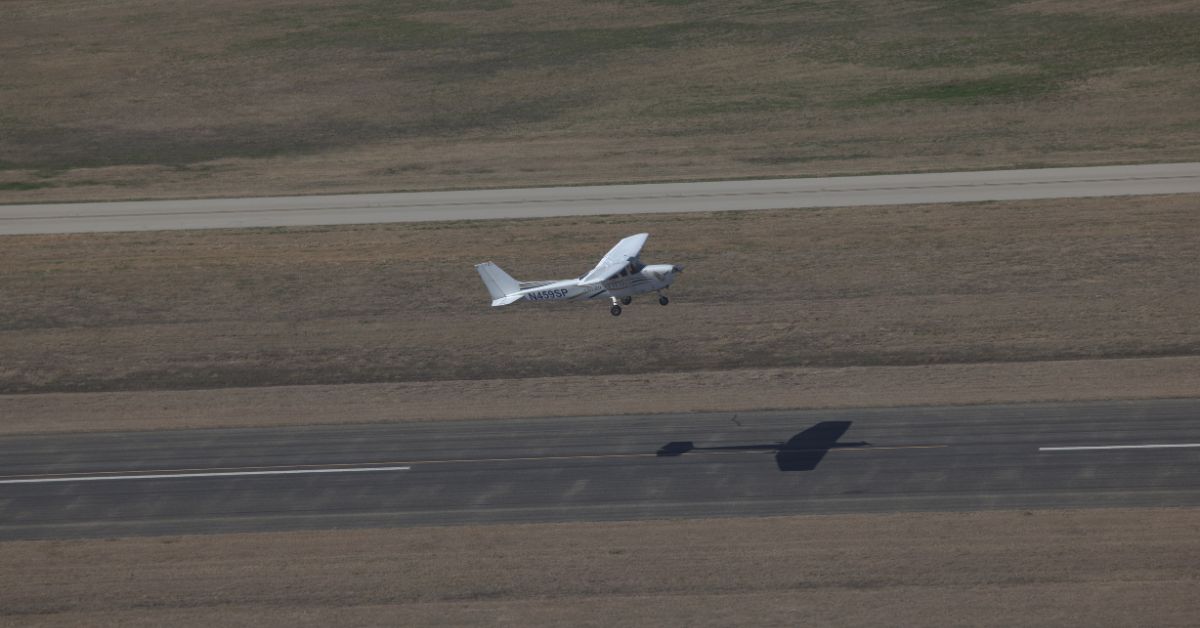
either opposite to or aligned with the runway for takeoff, and ensure that you will not create a traffic conflict by entering the runway. You should communicate and coordinate your takeoff intentions with aircraft inbound and in the traffic pattern. Announce the runway to be used, the direction of flight on departure, or whether you intend to remain in the traffic pattern. These actions will reduce the risk of a surface or midair collision during takeoff. After takeoff, monitor the CTAF as you either depart the area or remain in the traffic pattern in accordance with the airport’s published traffic pattern procedures.
When operating within 10 nautical miles of a non-towered airport, monitor the CTAF frequency to remain aware of other pilots operating in the area. When approaching that airport for the purpose of arrival and landing, self-announce your intentions when ten nautical miles away. Listen for other traffic currently operating in the pattern, and make sure to update your position and intentions as you approach. A good rule of thumb is to announce your call sign, position, and intentions when reaching ten, five, and three nautical miles from the airport before beginning your entry into the traffic pattern.
Be specific about the runway number you intend to use and how you will be entering the traffic pattern for that runway. Do NOT use the generic phrase “active runway.” Recall also that while it is not ill-advised to ask if other traffic is in the local area, the phrase “any traffic in the area, please advise” is NOT a form of self-announcing. Several airports in an area may use the same CTAF frequency, known as MULTICOM. Be sure that you end your transmissions with the name of the airport you are flying into to help distinguish yourself from traffic flying into other airports.
When operating in the traffic pattern at your airport of intended landing, self-announce your position and intentions for each key point in the traffic pattern: entry, downwind, base, and final. These communications should follow the protocols outlined in Advisory Circular 90-66C. While it is important that other pilots know your intentions, “see and avoid” is still your responsibility as the pilot in command. Be vigilant and maintain a proper visual scan for traffic as you fly. If you are uncertain of another pilot’s actions or intentions, give that pilot a wide berth to maneuver. If it becomes necessary for you to modify your traffic pattern to accommodate another aircraft, or for you to maneuver to avoid another aircraft, maintaining control of your aircraft is the top priority. Never drop the airplane in order to fly the microphone.
Finally, once you have maneuvered into position and established a stabilized approach to landing, ensure that you reiterate your intentions of either a full-stop, touch-and-go, or low approach on the CTAF. Should it become necessary to perform a go-around, fly the aircraft first, then announce the go-around. Once you are safely on the ground, self-announce that you are clear of the runway and will be taxiing appropriately.
It has been said that there are three things in aviation that do you no good: runway behind you, altitude above you, and fuel you forgot to put in the tanks. Let’s add one more thing to that list: a radio you do not use properly. While it is not possible to know what every other pilot in the area may be doing, by following the communication procedures outlined in the Aeronautical Information Manual and Advisory Circular 90-66C, those other pilots will at least be able to know what you are doing.