







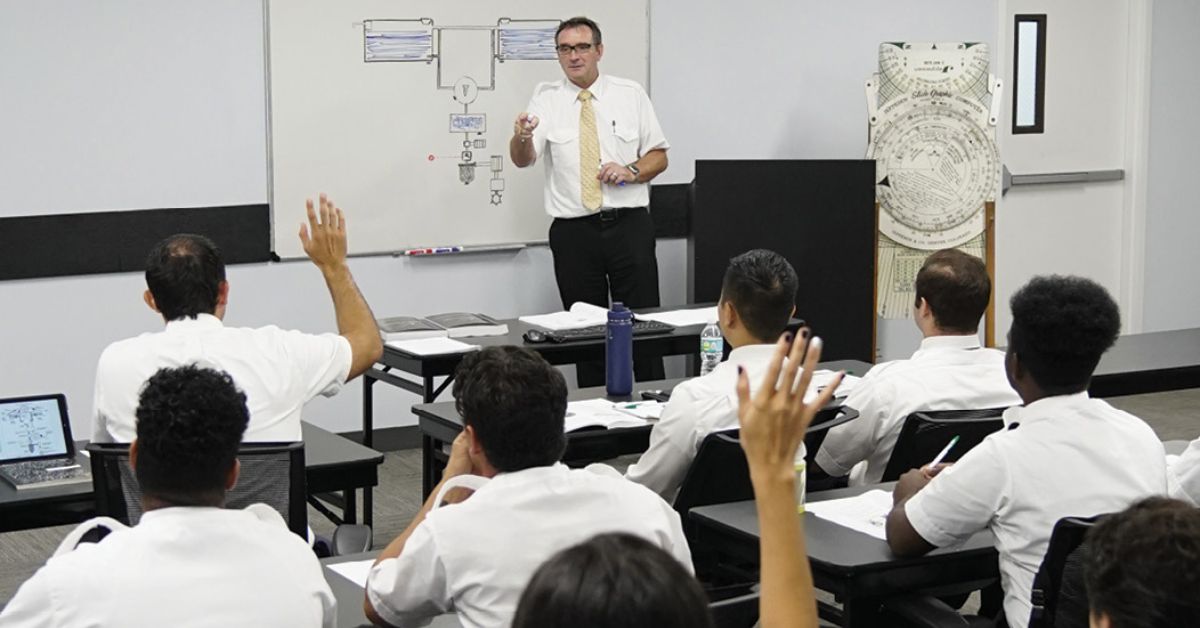






The demand for qualified flight instructors has never been higher, with training schools nationwide competing for talented CFIs who can shape the next generation of pilots. As the aviation industry grows and the pilot shortage continues, schools are seeking instructors who combine technical expertise with exceptional teaching skills. Understanding what schools prioritize in hiring can help aspiring instructors position themselves for success in this rewarding career.
Essential Certifications: The Foundation of Credibility
The cornerstone of any flight instructor application is proper FAA certification. At a minimum, schools require a valid Certified Flight Instructor (CFI) certificate with appropriate ratings. However, the most competitive candidates also hold CFII (Certified Flight Instructor-Instrument) and MEI (Multi-Engine Instructor) certificates.
Recent FAA regulatory changes, effective December 2024, require enhanced qualifications for instructors training first-time CFI applicants. Schools now seek instructors who meet these standards and demonstrate ongoing professional development through recurrent training and continuing education.
The FAA Gold Seal Flight Instructor designation recognizes instructors with a strong record of training quality and student success. To qualify, a CFI must hold an Advanced or Instrument Ground Instructor certificate (AGI or IGI) and must have recommended at least 10 applicants for practical tests within the preceding 24 calendar months, achieving an 80% or higher first-time pass rate. Schools value this designation because it reflects instructional effectiveness, professionalism, and a strong commitment to high training standards.
Beyond certifications, progressive schools look for instructors with additional qualifications, such as ground instructor certificates, advanced training in modern avionics, and experience with technically advanced aircraft (TAA).
Experience That Counts: Beyond Minimum Requirements
While the FAA sets minimal flight experience requirements for CFIs, schools value instructors with diverse aviation backgrounds. Experience with cross-country flying, multiple aircraft types, and various weather conditions enhances a candidate’s appeal.
Teaching experience, in aviation or other fields, significantly strengthens an instructor’s profile. Effective instruction requires pedagogical skills beyond piloting ability. Candidates with formal education degrees, corporate training experience, or prior instruction at other aviation facilities demonstrate proven teaching capabilities.
Recent graduates from a school’s own programs often receive hiring preference, as they are familiar with the institution’s training philosophy, procedures, and standards. This reduces training time and allows for smoother integration into instructional teams.
Teaching Ability: The Art of Effective Instruction
Technical skills alone do not make great flight instructors. Schools seek candidates who can communicate complex concepts clearly, adapt their teaching to different learning styles, and remain patient with struggling students. The ability to break down complicated procedures into manageable steps while maintaining safety standards is critical.
Effective instructors listen actively, understand student concerns, and balance encouragement with honest assessment. This approach helps students build confidence while maintaining realistic expectations.
Modern flight training emphasizes scenario-based learning and real-world application. Schools value instructors who can create engaging experiences that prepare students for practical flying, rather than rote memorization.
Passion: The Driving Force Behind Excellence
Genuine passion for aviation and teaching is often the most noticeable quality during interviews. Schools can quickly identify candidates who see flight instruction as a calling rather than a way to log hours. Passionate instructors inspire students and enhance the training environment.
This passion shows in staying current with industry developments, pursuing additional training, participating in aviation organizations, and maintaining personal flying proficiency beyond minimum requirements. Instructors who continue learning throughout their careers are highly valued.
Passionate instructors also enrich school culture by participating in safety programs, student activities, and promotional events, becoming ambassadors for both the school and the aviation industry.
Professionalism: Representing Excellence
Flight schools operate in a highly regulated environment where reputation and safety are paramount. Schools seek instructors who demonstrate professionalism in appearance, communication, and conduct. This includes punctuality, lesson preparation, and appropriate interaction with students, colleagues, and visitors.
Professional instructors stay current with regulations, procedures, and industry best practices. They demonstrate accountability and maintain appropriate boundaries with students, serving as safety mentors and role models.
The American Flyers Advantage
At American Flyers, we understand that exceptional flight instructors are the foundation of superior flight training. Our instructor development program provides CFIs with the tools, support, and ongoing education needed to excel. We offer competitive compensation, professional development opportunities, and a collaborative environment for personal and professional growth.
We seek instructors who share our commitment to safety, excellence, and student success. For qualified CFIs seeking a professional environment that values teaching excellence and career development, American Flyers offers the opportunity to join a team dedicated to maintaining the highest standards in flight training.